


If the world’s current trajectory could be described by a single instance, it would be when Pringles minimized its logo in late 2021. We can observe this pattern of simplification on a literal level, in the logos of Netflix, Instagram, Starbucks, and Google. However, oversimplification is not merely a trend among graphic designers; it is deeply ingrained in the modern era and, most importantly, robbing the world of its beauty.
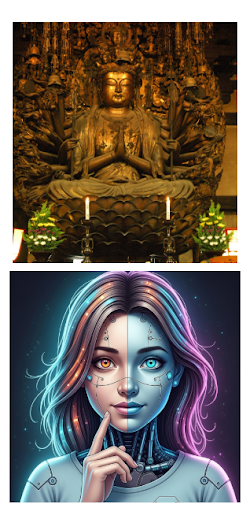
The phenomenon is most evidently observed in the evolution of art. For millennia, our creations were breathed into form with God in mind. Therefore, lifetimes and lavish materials were poured into creating these intricate works, in which the details are so overwhelming.
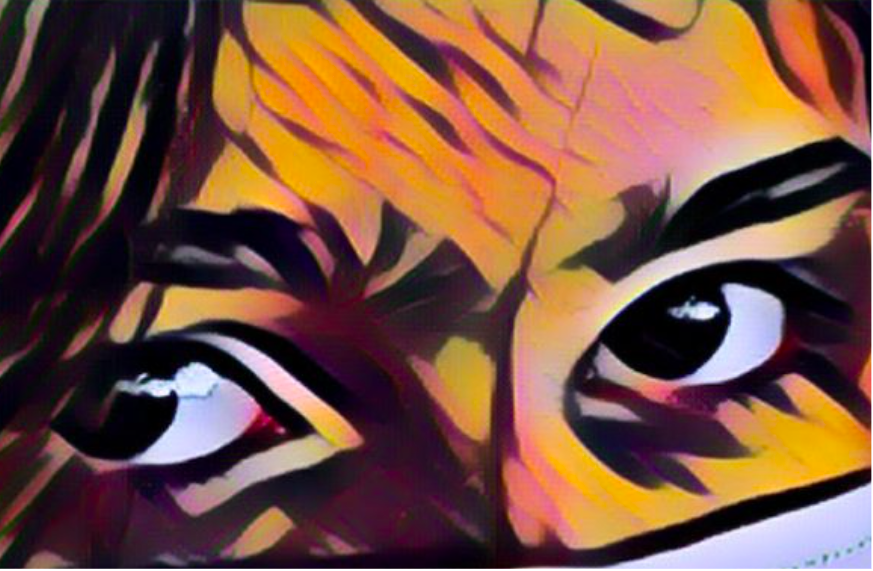
Yet what we have in our age is the freshly emerged AI-generated art. It creates with accurate form–for example, it would generate a woman if told to generate one– and yet holds no intention: a generalization of all art pieces, oversimplified, and most importantly, unable to convey beauty as it lacks a certain essence only the attentive human eye could hold.
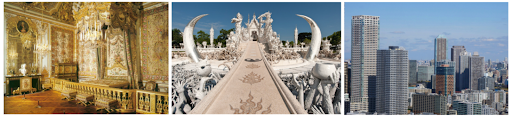
Architecture has followed a similar storyline. They tower heights once believed to be where God/s resided, yet, in terms of grandiosity, reach nowhere near those of past structures. Take the high-rise apartments of Chuo City, Tokyo, and imagine them next to the hand-carved White Temple of Thailand, or the lavishly furnished interiors of Versailles. Our trademark skyscrapers cannot compare to the amount of intention and detail that have been poured into the latter two structures.
We use less manpower and more technology, granting us much greater efficiency. So why does everything continue to lose detail, as if we’re all falling into one big AI-generated image?
That is because the ways of our modern society are eroding away its beauty in the pursuit of convenience. Think about it, we have everything we need splayed out on the shelves of convenience stores. It’s all about function. With clocks embedded in our minds, we don’t stop to breathe in the scent emanating from trees, and instead we indifferently swerve on the pavement past people and things, without a care for anything but our destination – the details escape us. Hence, beauty can no longer spring forth, as it is unfruitful without our attention.
So how do we pick up the fragments of beauty we have chiselled away and piece them back into our lives again?
Our world cannot be remade suddenly. We are bound by the ashened factories and skyscrapers that provide so much for us.
Here is a guide to what we can do to grasp what is left of beauty.
Beautiful objects
The commodities we use nowadays are all mass-produced and therefore carry a minimalist air. But why not decorate them as we do our bags with keychains? Place a smiley face sticker on the
closet, perhaps, buy flowery toilet paper, and switch out all the plain Band-Aids at home for colorful ones. Anything to ground ourselves in beauty and distance from the potential of a monotonous world.
Developing an eye for detail through literature
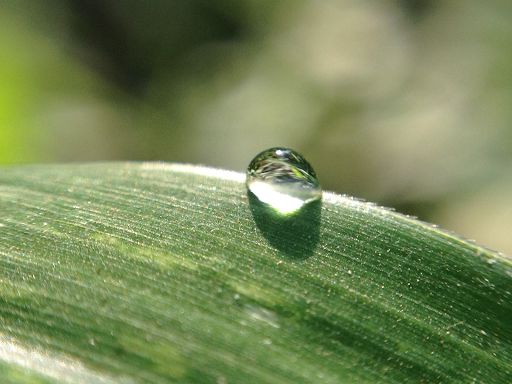
By delving into the minds of past novelists and poets such as Virginia Woolf, Nikos Kazantzakis, creative minds who saw beauty in their surroundings, we can understand how to do the same. Train yourself to notice from the perspective of the masters: how a flower tilts more than another, how the sun imprints itself on wooden floors, how a dewdrop licks the fold of a leaf.
Nature
Nature will replenish our need for beauty. As in the wilderness, there are the whorls on trees, grass that sways, and the ripples in pools of water: nature is an infinite breeding ground of details that serve as a remedy to modern generalizations. We can easily restore these interactions between us and nature, even as residents of urban landscapes, by taking a simple walk in the park, organizing a beach trip over the weekend, raising potted plants at home; any deliberate act to cross paths with nature instead of overlooking it would do a great deal for the beauty in our lives.
Meditation
By rushing, we fail to notice all that is around us: therefore, an accessible and simple remedy would be meditation. It takes a five-minute tutorial for us to not only sort out our thoughts but also slow down our nervous systems. And once emerged from the ritual, we will interact with the world with minds much more open to beauty.
The world we live in has eroded the beauty much more than the civilisations of the past.
By placing convenience on a pedestal, our homes, our clothes, our commodities have all taken on a dystopian look that will only widen the indifference of our society.