











































To many, the world might look the same as it was yesterday, but beneath the surface, students are facing a rapidly growing crisis.
According to the National Institute of Health, roughly 73% to 74% of students experience significant academic stress, a burden that not only lowers quality of life but also dismantles the self-image of many. While academic pressure itself is often discussed, one major contributor is often overlooked: the chain of destructive habits students develop as they try to cope.
These habits rarely exist independently. Instead, they function like falling dominoes, with one unhealthy behavior often triggering another. While many coping habits may seem harmless at first, some are far more damaging than others. Among them, poor sleep stands as the most harmful because it often initiates the cycle that fuels many other destructive patterns.
Sleep deprivation weakens the glymphatic system, which clears toxins from the brain. This lack of ability leads to cognitive impairment, causing heightened difficulty with information recall and concentration. Research has shown that insufficient sleep can lower a student’s GPA by an average of 0.07 points an average 0.07 points, and is strongly linked to weakened immunity, increased stress, and depression.
Despite these consequences, nearly 67.9% of students fail to get the recommended amount of sleep. This issue is especially relevant for ISSH as a girls-only institution, since female students tend to report higher levels of sleep deprivation and related mental stress.
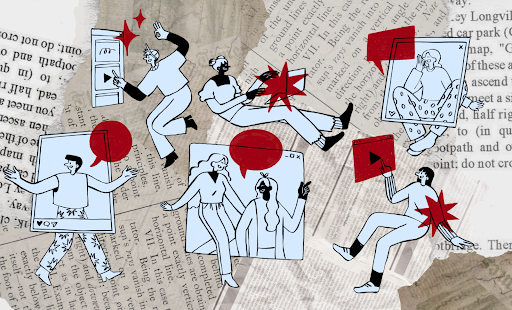
When students become exhausted, many turn to excessive screen time as a temporary escape or a way to stay stimulated. Whether through social media scrolling, gaming, or binge watching content, screen usage often increases as students search for relief from academic pressure. However, this habit only worsens the issue. Increased screen exposure, particularly before bedtime, further disrupts sleep schedules while reducing attention spans and productivity.
As screen distractions increase, procrastination often follows. Assignments are delayed, deadlines begin to pile up, and students are forced into unhealthy cycles of cramming. This often results in lower academic performance, creating even more stress than students originally sought to escape.
The final stage of this chain is often negative thinking.
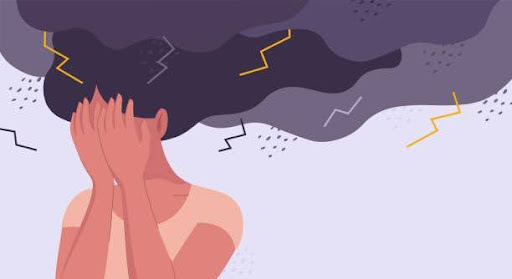
After repeated academic struggles, many students turn to blame themselves rather than recognizing the unhealthy cycle they have fallen into. Studies show that nearly 75% of students report negative self perception. Deprivation also reduces activity in the prefrontal cortex, causing the amygdala to become significantly more reactive to negative stimuli. As a result, students may become increasingly self-critical and emotionally vulnerable.
Breaking this cycle requires addressing habits in the order they develop. Students should begin by improving sleep schedules, as better rest can improve focus and increase productivity. With stronger time management habits, distractions and procrastination are easier to overcome, allowing students to rebuild confidence and reduce negative thinking.
By addressing the first domino before the entire chain collapses, students can protect both their academic success and their well-being.