

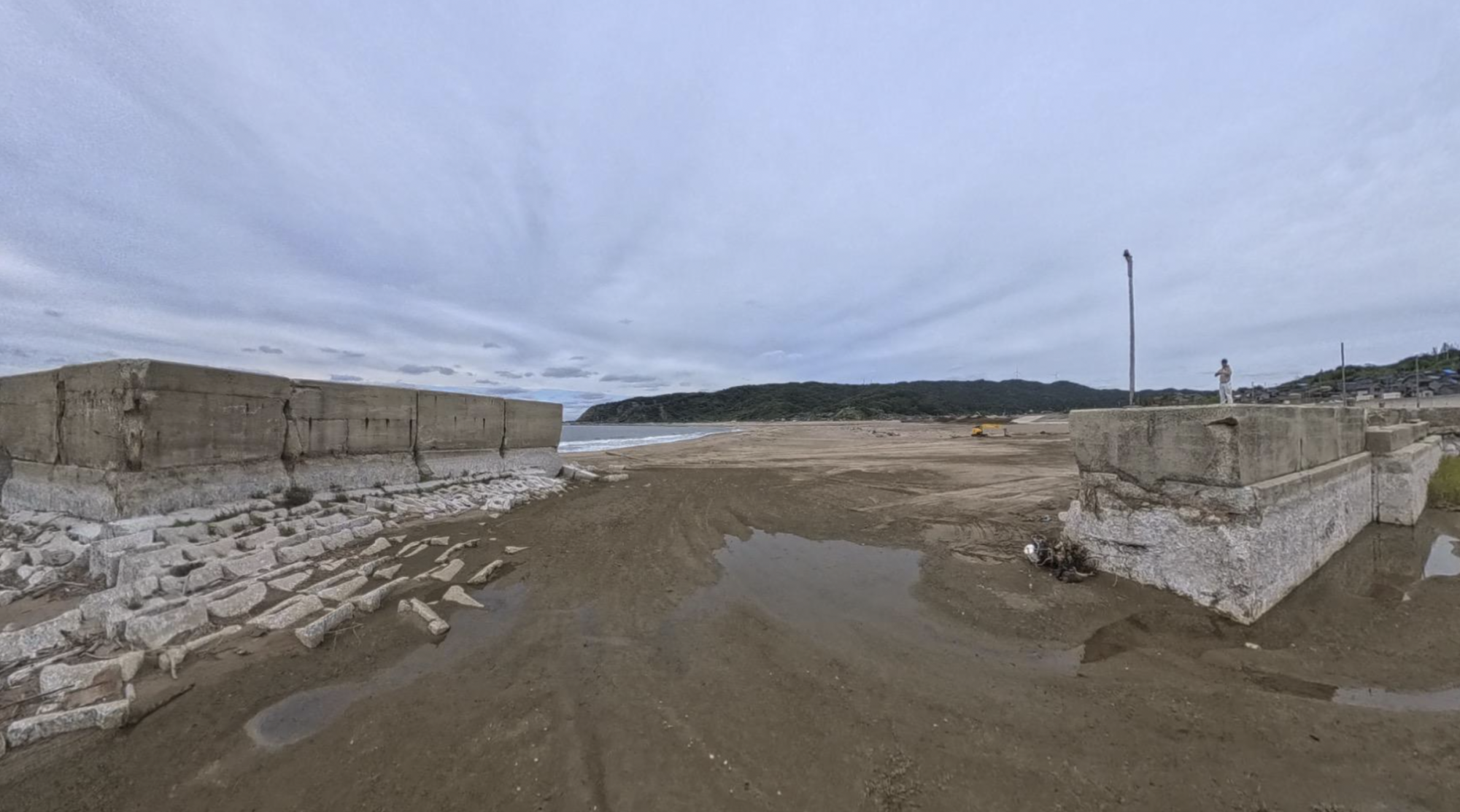

The Noto Peninsula—located in the northern part of Ishikawa prefecture—was hit by an earthquake with a magnitude of 7.6 on January 1, 2024. The earthquake triggered the first major tsunami warning since the March 11, Great East Japan earthquake, and caused coastal uplift of over 4 meters, expanding the landmass of the prefecture by almost 5 square kilometers.
In October of 2025, I went to the Noto Peninsula to observe the region’s recovery firsthand. During my visit, I interviewed three people about their opinions on the future of Noto: Professor Yachie Akihiro, the director of the Noto Resilience and Revitalization Center; Mr. Shinohara Takeshi, a Suzu-ware artist; and a volunteer worker (who requested not to be named) at the Shiroyone Senmaida rice terraces.
Amongst them, Mr. Shinohara described the concept of ‘Atawari,’ which is a word that encompasses the people of Noto and the way they live. The word means “one’s given fate or circumstance,” originating from the belief that the forces of nature ultimately cannot be resisted—only lived with. The events of the earthquake and everything that followed are no different; rather than actively going against it, people in Noto have learned to live in tandem with their environment. The resilience of the people in Noto has grown alongside the region’s environment, and whilst devastating, the earthquake reflected a powerful capacity for recovery both in the land and in its people.
The geographic phenomena of Noto
The terrain of the Noto Peninsula is uneven, largely composed of layers of cliffs. The peninsula was formed by multiple coastal uplifts over thousands of years.
What makes the 2024 earthquake so unique, however, is that this coastal uplift occurred in less than a minute. Disorienting and immediate, the event could not have been predicted in advance.
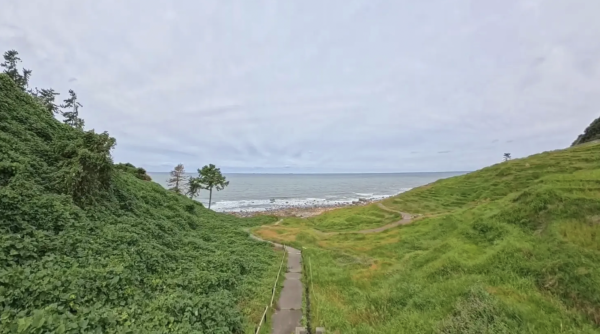
A local volunteer who worked at the Shiroyone Senmaida—rice paddies known for their terraced and zig-zagging appearance in Wajima—said that at the time of the earthquake, they saw the sea pull back so far back that they had braced for the impact of a tsunami. It wasn’t until long after the warnings were lifted that it became evident that it wasn’t the water that had pulled back: the ground itself had risen.
What they felt in that moment was not devastation. Realizing it was their first time witnessing such a scene, they felt deeply moved rather than afraid.
This geological phenomenon was extremely rare—a once-in-a-thousand-years event—and had never been seen or recorded so directly before. Even the 2011 Great East Japan Earthquake, though featuring a level of underwater movement warranting one of the greatest magnitudes ever recorded, did not result in such a large increase in surface area.
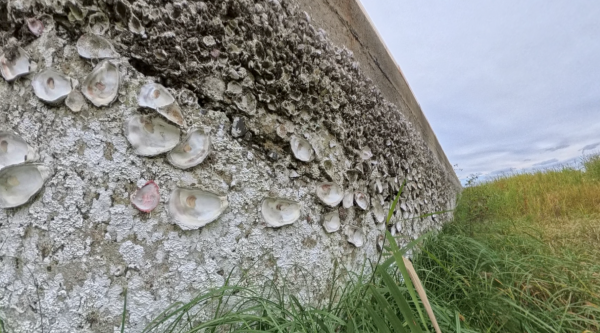
This natural phenomenon also gave way to an unexpected harvest. One volunteer remarked that, after the coastal uplift, the previously underwater ground was suddenly exposed, leaving on the shore plenty of sea bream, abalone, turban shells, and oysters, all out in the open, ready for taking. In addition, as they had plenty of rice and spring water for drinking, they had, as she stated, “almost a luxurious disaster life.” She and other helpers were also able to walk on the newly formed beaches to bring food to people who were isolated in further areas.
Noto’s resilience and fragility
In the area surrounding the Senmaida rice paddies, there are very few residential areas. The car ride to the next major city, Wajima, passes through forests and cliffs, with the occasional cluster of houses. Similarly, towns throughout the peninsula are largely isolated, creating extremely tight-knit communities and a strong sense of loyalty to the place they live in.
Professor Yachie Akihiro, who guided me on this trip, explained these traits of the Noto community to me. He claimed that at the time of the disaster, many were unwilling to evacuate their homes because of the strong sense of solidarity in these small towns. These communities are far from flexible, making recovery difficult. Professor Yachie stressed the fragility of the connections between each individual town, and how one collapsed arterial road is enough to isolate half of the region. In addition, aging populations are unwilling to accept changes to their community structures for recovery, and young people move away. As a result, depopulation in Noto has accelerated since the disaster.
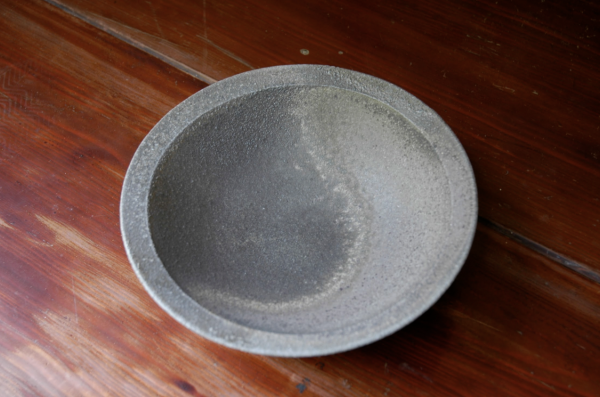
Nevertheless, what surprised me was that Mr. Shinohara expressed an almost completely opposite view on the fate of Noto. He remained optimistic, expressing the view that it was ultimately fine even if Noto’s population declined, pointing to his own craft: Suzu-ware—a type of Japanese pottery unique to Noto and one that Shinohara specializes in—was only revived in the 1970s after 500 years of stagnation. Cultures sustained primarily by outside demand may disappear easily, but cultures that have developed in close relationship with the land do not vanish so easily. Even if the culture fades into obscurity, as long as the location exists, the customs that have grown in the time prior will return when needed.
The future of Noto
Through my visit, I learned that Noto’s distinctive geography and close-knit communities are the very source of its rich culture and of the people’s remarkable resilience in the face of disaster.
Yet, recovery is not a purely natural process. While Professor Yachie shared Mr. Shinohara’s belief that customs can be revived so long as their traces remain, he also stressed that those traces must first be protected before they disappear.
To protect Noto and initiate recovery, Japan’s prefectural governments play a critical role. Nevertheless, centralized governments often struggle to coordinate effectively and make sound decisions. Although representatives from across the country participate in the central government, policymaking is still concentrated within a small group of decision-makers. As a result, governments often fail to recognize that each community across Noto faces unique challenges requiring different and often complex recovery processes. In addition, the Japanese prefectural governments have a difficult time understanding why they must continue to support these remote regions due to the tremendous economic costs involved.
The peninsula’s difficult recovery process raises an important question: “Why do the people of Noto choose to live in remote regions where life can be difficult?”
The answer is not simple, as the decision to live in Noto is not a matter of practicality but a sentimental one. For many residents, the attachment to this land is shaped by generations of lived experience, and even in the face of natural disasters, they recognize their powerful ability to rebuild. The relationship between the people of Noto and its land is not one that can be easily and simply replaced.
Yet the extraordinary adaptability and endurance of Noto’s people and culture alone cannot sustain the region. Though Professor Yachie emphasized that Noto’s customs can be revived so long as their traces remain, he says that “what we are seeing as a result of the earthquake, such as depopulation, is the result of accumulated problems that stem from ignoring these issues for a very long time.” Work needs to be done to preserve the conditions in which Noto’s unique culture can thrive.
Today, Noto remains threatened by long-term effects of the disaster, and its resilience alone will not be enough for recovery. We must recognize the value of preservation, and governments must continue to provide outside support in the midst of protecting their dignity.
To rely solely on Noto’s adaptability is to abandon it, and in doing so, we risk losing its rich culture.


