



























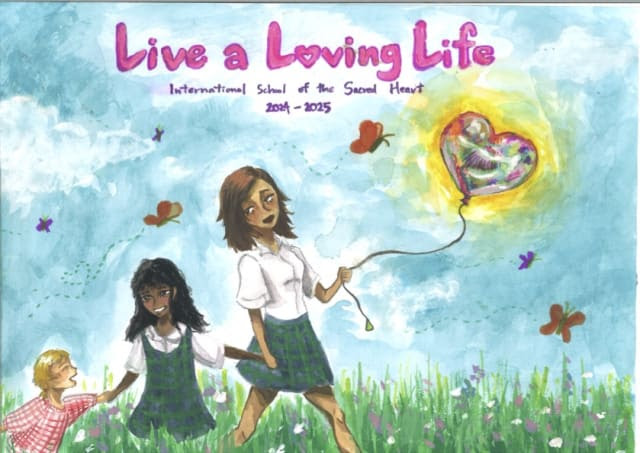
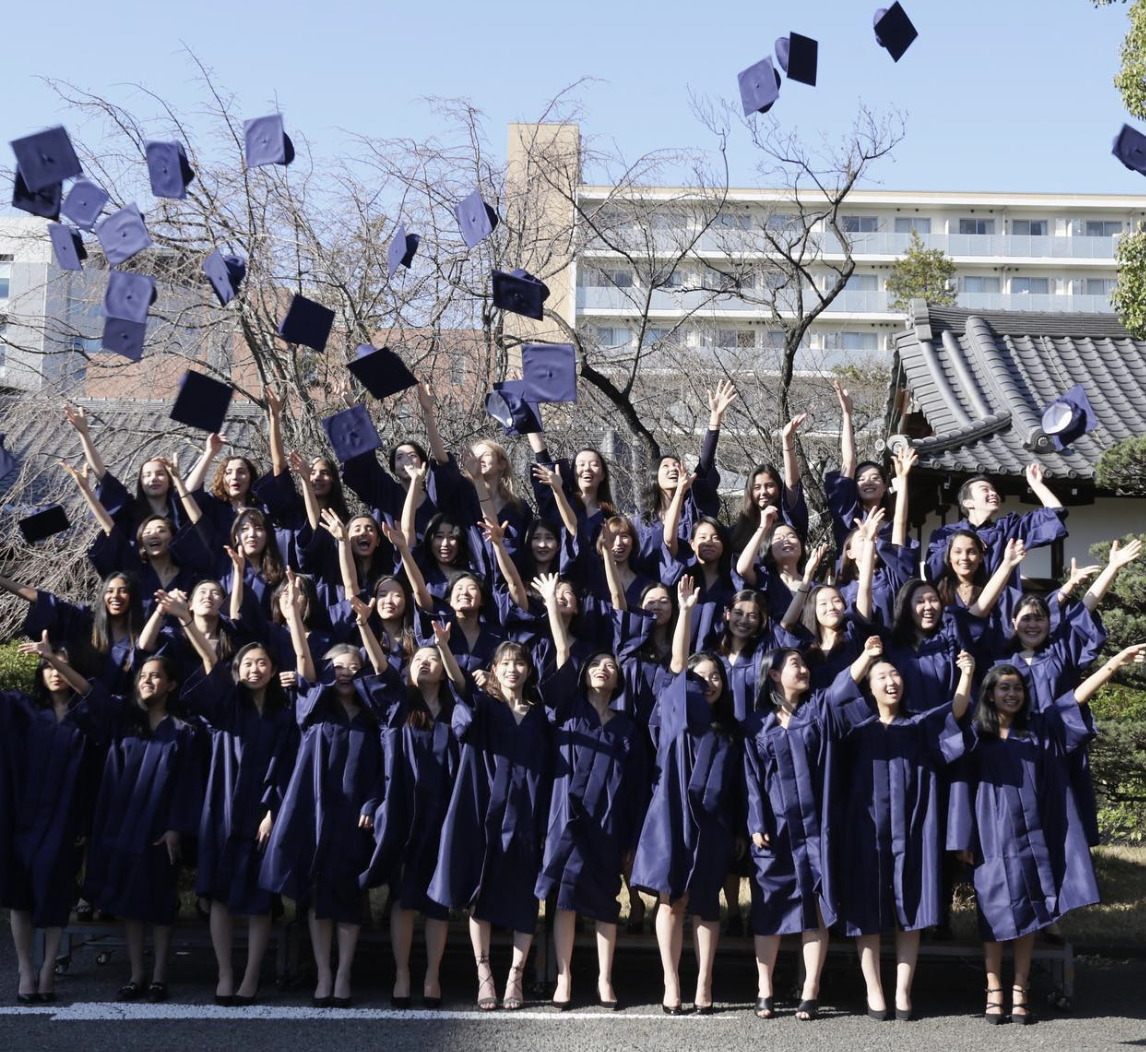




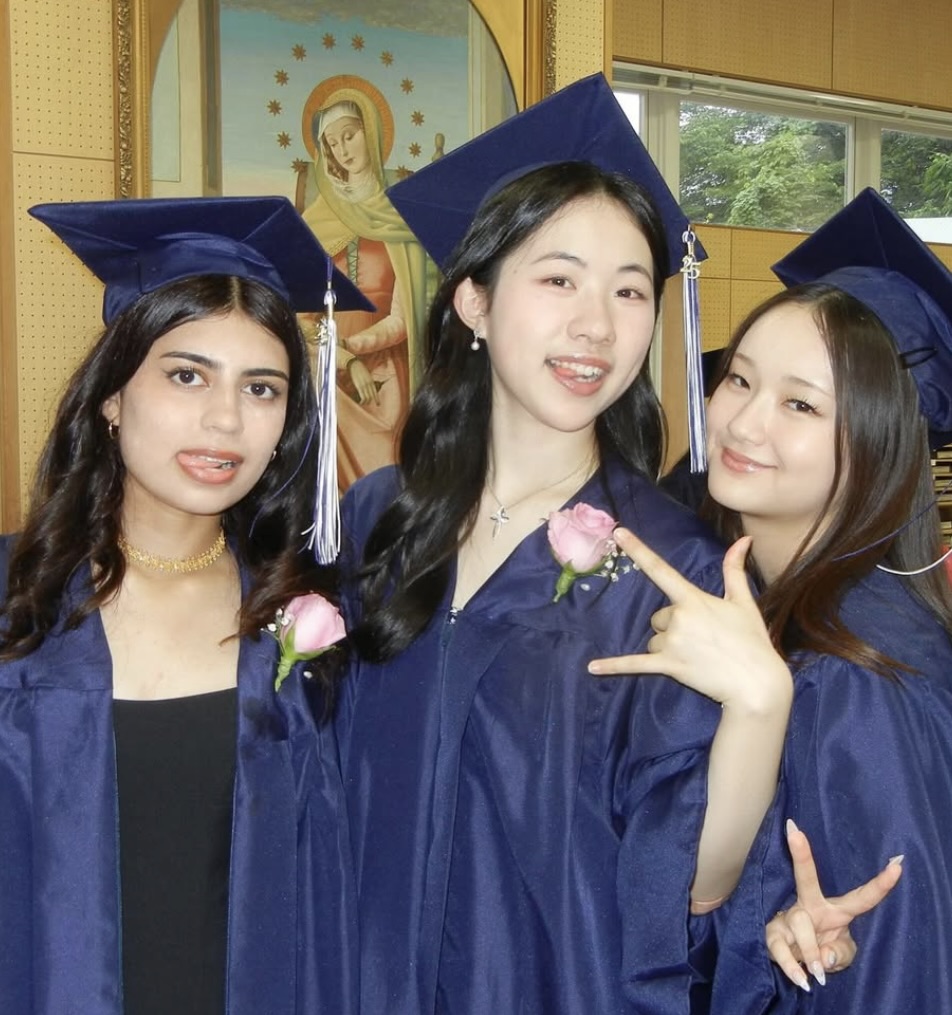
Every spring, nearly fifty Sacred Heart students prepare to begin a new chapter in their lives in universities around the world. Seven ISSH alumni offer a perspective on how Sacred Heart has prepared them for college, both academically and socially.
A solid academic foundation with learning curves
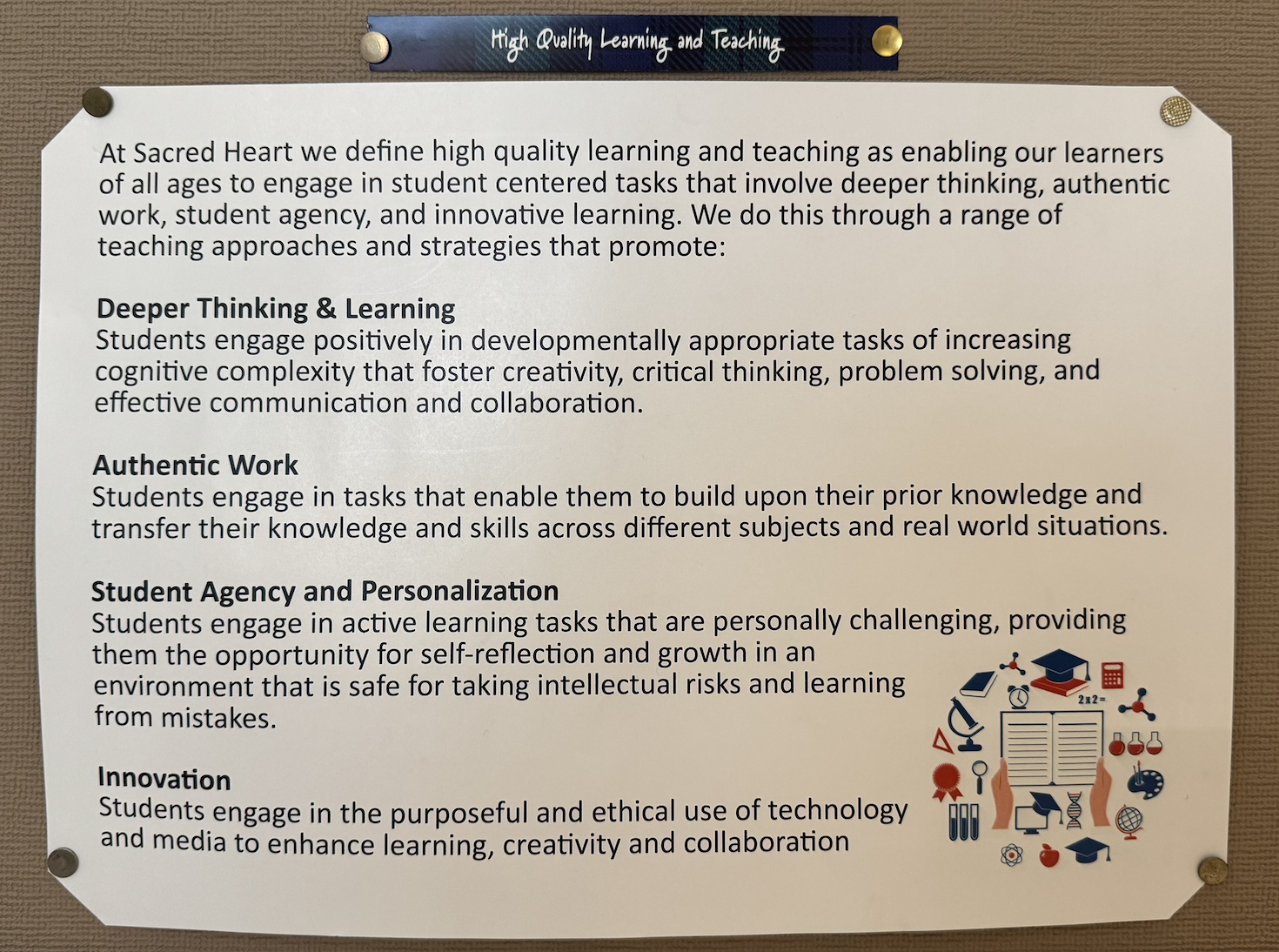
Sacred Heart is “committed to providing the best possible educational experience while maintaining high quality learning and teaching standards,” according to the International School of the Sacred Heart’s website. The school’s curriculum follows the Advanced Placement (AP) system, offering 24 university-level courses across all subjects to juniors and seniors, unlike most Kanto international schools, which follow the IB curriculum.
Many alumni agreed that Sacred Heart provided a solid academic foundation for university classes, emphasizing the advantages of the AP Curriculum for universities worldwide.
In fact, some even said that the academics at Sacred Heart were more rigorous than those at their university. “Academically, I say with full confidence that Sacred Heart prepared me for college,” says Juri T. (‘24), a second-year student at the University of Edinburgh in Scotland. “I think it over-prepared me even.” Juri explains that taking multiple AP courses in her junior and senior years of high school ensured that she was more than ready for any university coursework. “The academic rigor that I endured in high school is like insane compared to the one I’m used to right now,” she explains. “[In university] you need to keep up, and that’s where I don’t really struggle that much compared to my classmates, just because Sacred Heart really prepared me for that. At my uni, we only have one really big final at the end of the semester that’s worth a really large percent of our grade—like 60% or something, but I would say this is something that I wasn’t too scared of just because I went to Sacred Heart and I did AP, and AP is also the same way.”
“I think the APs I took in the last two years of high school prepared me very well for university,” said Grace T. (‘25). As a Psychology major, Grace shared that her program at the University of Toronto in Canada requires an extensive understanding of core concepts across all sciences. “Not only was the content at the university level, but classes like AP Biology and AP Chemistry also gave me a lot of hands-on experience with conducting labs and writing lab reports, both of which are very useful skills in college.”
In addition to the benefits of AP science courses mentioned by Grace, several alumni noted that Sacred Heart’s two AP-Level Economics courses (AP Microeconomics and AP Macroeconomics) were their most valuable high school classes in preparation for their university economics courses. “I actually find that sometimes I am ahead in the classwork, because the econ classes I took back at ISSH have definitely allowed me to build a strong and solid foundation in economics that has been helping me through college coursework,” said Diana S. (‘25), a freshman at Sophia University in Japan.
However, some graduates note that academic experiences can vary widely depending on college, major, and class. “It’s honestly not that much to do with Sacred Heart; it’s just the math,” said Namya K. (‘25), comparing her AP Calculus BC course at Sacred Heart to her current Calculus 2 course at the University of California, Berkeley. “The difficulty of certain classes, especially STEM classes, is just going to be a lot harder in college.” Namya noted that the difference in course rigor that she experienced was expected, as it is natural for material to become more advanced as the level increases. There were certain concepts she had never been exposed to in high school. “I would say that Sacred Heart, specifically compared to other students I see here, just had less math available. I guess because it’s a smaller school,” she explained. “So other students were taking multivariable calculus with linear algebra in high school, through dual enrollment and things, and it wasn’t really available for me. Which is no fault of the school obviously, but it just made it a little more difficult and required more studying.”
“But it really depends on the class,” Namya continued. “As for writing, I think on the humanities side Sacred Heart prepared me super well. I think I have relatively strong writing abilities compared to a lot of students.” While mathematics may have proved a slightly more difficult transition, Namya explained that her AP English Language and Literature courses were very helpful in preparing her for her academic transition, and even set her ahead of her peers. “The AP Lit that was offered allowed me to skip college writing classes. So I would say on that side it offers a pretty good, well-rounded humanities program.”
Since the International School of the Sacred Heart is an all-girls Catholic school, many alumni experience a co-ed learning environment for the first time at university. For Anita S. (‘23), who attended Sacred Heart from kindergarten through twelfth grade, joining Cornell University in the United States was her first time taking classes with male students. “Taking space and making space within traditional gender norms, especially with more visible male participation, was initially challenging,” she said. “However, Sacred Heart taught me that women should be active participants in the classroom to claim their education, not just passively receive it.” She emphasized that Sacred Heart built a strong sense of confidence in her as a learner, continuing to shape how she contributes to her university today. “It took some adjusting to feel comfortable taking up space as a woman in this new environment, but I returned to what Sacred Heart had instilled in me,” she said.
A major social adjustment to different cultural norms
The social transition from high school to college proved more difficult for alumni. The International School of the Sacred Heart is a small school, with a little under 200 high school students overall and 50 students per grade. On the contrary, most universities enroll thousands of undergraduate students. Thus, many alumni have noted the need to make more of an intentional and active effort to connect with their university peers compared to Sacred Heart.
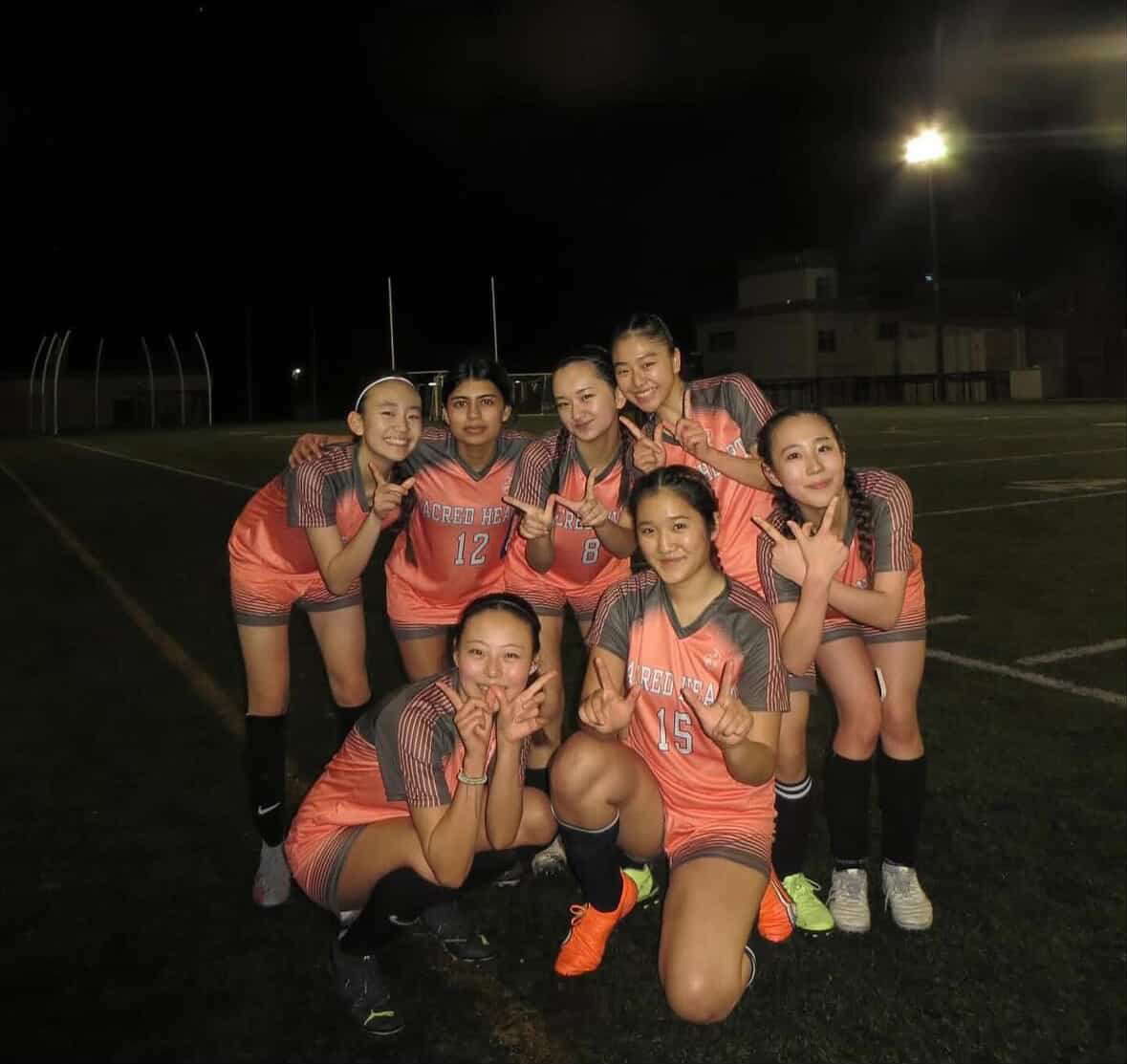
“Since Sacred Heart is a very small community, you tend to know all of your classmates and naturally bond through shared classes and activities,” said Grace. “In college, however, you really need to take the initiative to maintain friendships because they often live far away, and you don’t share many classes unless you have the same major. It’s also quite difficult to make friends if you don’t participate in any extracurricular activities.”
Diana shared similar experiences, noting that she felt a bit lost when first navigating college friendships. “I felt a bit behind as I found that everybody formed groups instantly, and you had to be in the right classes and the right groups in the classes to be part of a certain friend group,” she said. “I also found that people who lived in dorms together had formed their own friend groups, and it was kind of giving ‘exclusive’ and since I didn’t live in a dorm, I wasn’t really able to connect with people in that sense either. However, I found my people later in the semester as different events unfolded and people became more open to finding new friends.”

For some graduates, adjusting to a college’s specific school culture was also a major part of the social transition, alongside personal friendships. “Research what the culture is like at the school you’re going to, and think about how it differs from your high school experience,” Namya advised. “The thing about the social scene, specifically at Berkeley, is that the clubs are like super, super competitive, honestly, and there’s this huge club culture.” Coming from Sacred Heart, Namya explained that she wasn’t quite prepared for how competitive college extracurriculars would be. “I didn’t really understand this type of more competitive club culture. So it was all a big adjustment coming in, like the first two weeks and recruiting for all these clubs. I think it was just a steep learning curve, but it’s definitely just something to keep in mind.”
Additionally, several alumni noted that many social norms that were more familiar to other students at her university required greater adjustment for her, as they were rarely discussed at Sacred Heart. “Topics like sororities and parties felt somewhat taboo to discuss in our school, so I didn’t know much about them until I came here,” Grace said. “Personally, I wish ISSH had been more open about these and could perhaps incorporate discussions about them into Personal Ed.”
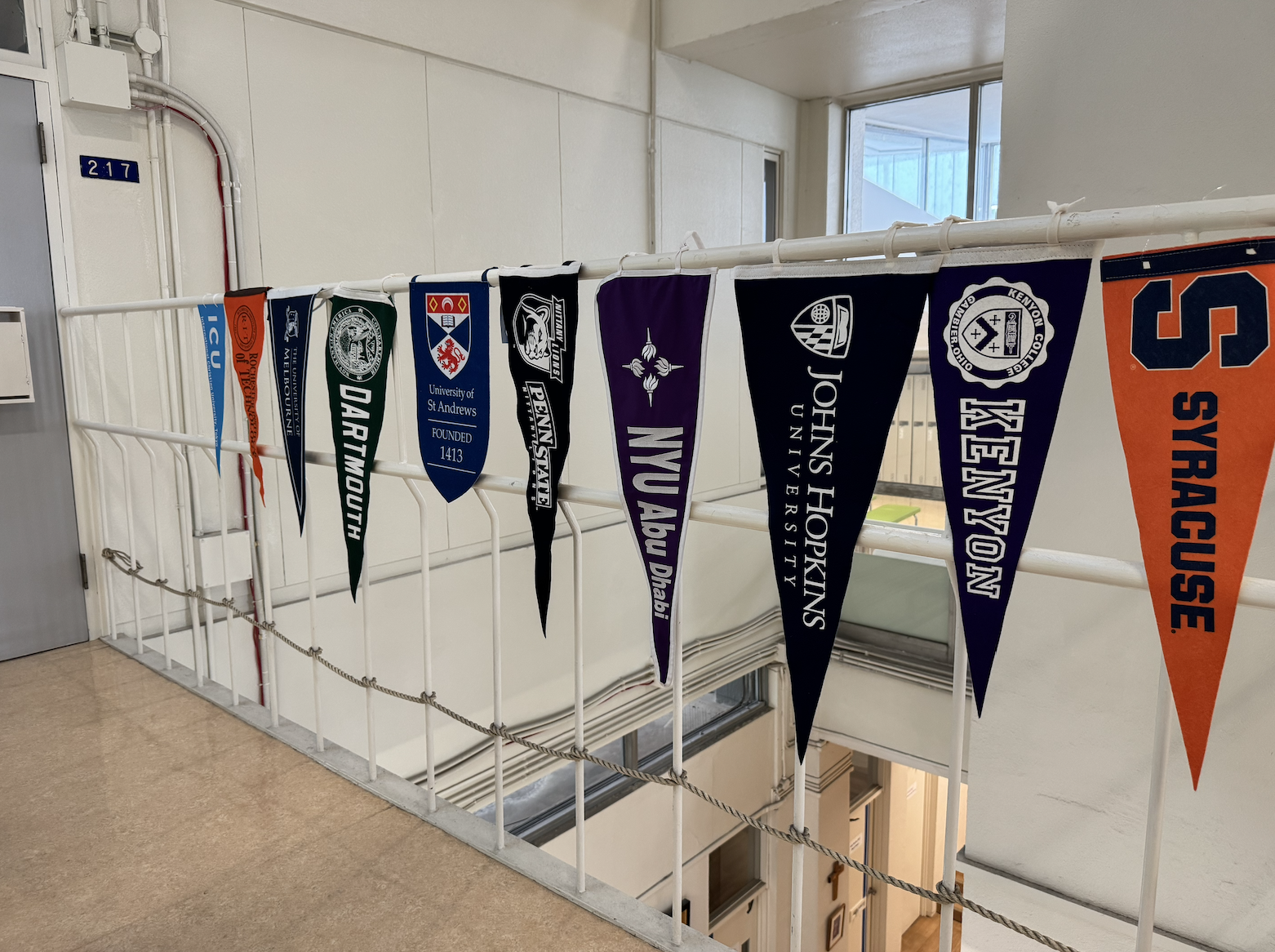
Especially for the many graduates who pursue their university studies abroad, adapting to an entirely new country’s social scene adds an additional layer of adjustment. Sophie K. (‘25), a first-year student at the Liverpool Institute for the Performing Arts, echoes the same sentiment, noting that the social scene at her UK university is “almost the opposite” of Sacred Heart. She explains that there is a strong focus on “partying, drinking, [and] smoking” within the social scene at her school. “Having a whole bar in my uni just blew my mind,” she said. While such norms are more common for teenagers in high schools and universities across Europe, they are rarely acknowledged at Sacred Heart, even in courses like Personal Ed.
Sakulako S. (‘25), a current freshman at King’s College in the United Kingdom, explained that the social environment in London was vastly different from what she was accustomed to at Sacred Heart and in Tokyo. “Moving to the UK showed me how international students in Tokyo often live in a bubble,” she said, particularly noting safety as being one of the most difficult social adjustments she faced. “I was scammed during my first month in London, and I was not the only one. In Japan, we grow up in a very safe environment, where it feels normal to walk home alone at 2 A.M. However, in many other countries, that is not safe. I underestimated the risks because I believed those things only happened in movies. Students going abroad should be very cautious and aware of their surroundings.”
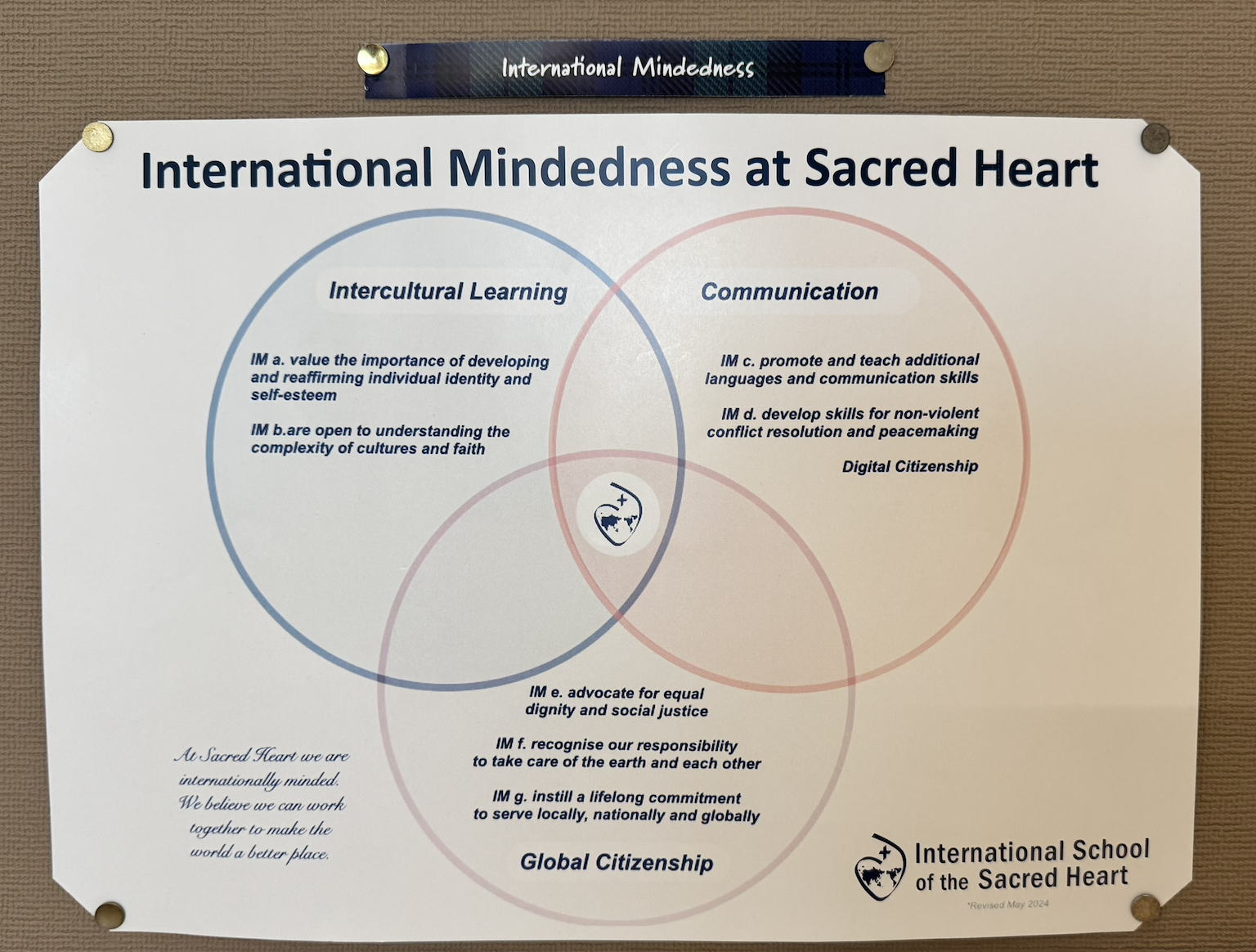
When Anita S. (‘23) first arrived at Cornell University in the United States, she also found the American social scene to be very different. “Socially, I felt both similar [to peers] and slightly behind at times, mainly because I was adjusting to a new cultural context,” she shared. However, amid her unfamiliarity, she discovered that the international-mindedness and openness instilled in her at Sacred Heart were her most valuable tools for navigating her new social environment. “One of the most important lessons Sacred Heart encouraged, and one I have come to value more in college, is the importance of discomfort. It is easy to remain within familiar classes and long-standing friendships, but comfort can quietly limit growth,” she said. “Sacred Heart gave me the awareness to recognize that comfort, and college has challenged me to move beyond it. Learning to lean into discomfort has become essential to how I grow, both socially and personally, and it continues to shape the way I engage with new environments and people.”