

























Following the inauguration, the Trump administration implemented new visa restrictions and travel bans targeting various international groups in the United States. The travel ban enacted at the beginning of 2025 was put in place to limit the travel of populations primarily from the Middle East and Africa. Thirty-six more countries, primarily in sub-Saharan Africa, were put on warning, claiming that if they don’t cooperate by approving a full criminal search of their citizens upon arrival in the United States, they will also face travel bans in the future.
Of the visas granted to residents of countries under threat prior to the travel ban, 7% were F visas for international students, and 1.8% were J visas for exchange students and scholars. If these international students who had previously been granted visa status attempted to enter the United States after June 9, 2025, they would have been denied entry.
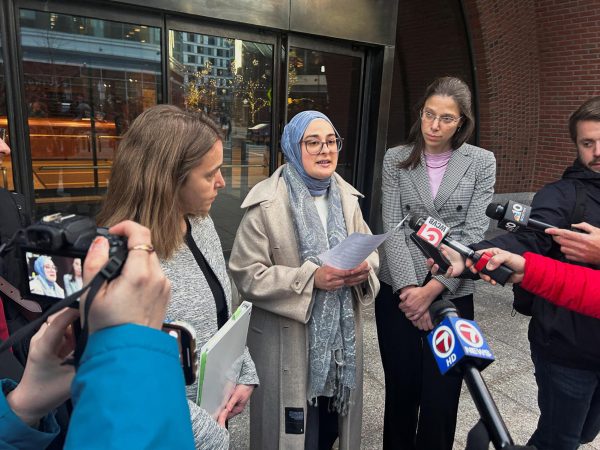
The Trump administration has threatened to deport 1,800 international students, whilst the State Department has revoked more than 6,000 student visas based on supporting terrorism, overstaying visas, and breaking the law. The State Department simultaneously suspended interviews for student visas between May 27 and June 18 this year, a period that is usually a high-demand time for appointments.
It’s not surprising that international students are increasingly questioning whether or not they should choose the US as their higher education destination.
The New York Times recently reported that the number of international students who arrived in the United States this August dropped by 19%, the biggest drop on record outside of COVID. This included a 12% drop in Chinese students and a 44% drop in Indian students. These two populations previously made up half of the US international student population.
Assistant Director in International Admissions at the University of Denver, Adeel Ahmed, expressed that although the University of Denver hasn’t yet experienced a student compelled to leave the United States due to visa issues, it has been observed that a variety of international students have not made it to campus in time for the Fall Quarter classes. The University of Denver, like other colleges in the US, offers the opportunity for deferral to the Winter or Spring Quarter of 2026.
College counsellor Amanda Miller from The Collegiate Path private counselling service told The International that her clients’ families have increasingly told her in the last year, “no US schools.” The current US political situation has made front-page news in Ms. Miller’s city in India, and the Chinese Ministry of Education has issued warnings to Chinese citizens about studying in the US. This means that the nations supplying the largest number of international applicants are becoming increasingly aware of the risks of applying to US universities, explaining the decrease in applicants from these two nations.
Additionally, Ms. Miller stated that she has one client who is still waiting for a visa from the 2029 application cycle. Due to this, she has to delay her start at the university she was admitted to until further notice. Ms. Miller also noted that she now has all her international clients consider backup options outside of the US.
The UK is becoming a popular alternative to the US for international applicants who wish to avoid visa uncertainties. UK universities are also seeing an increase in American applicants. St. Andrews University reported a 14% increase in US international applicants from the 2024-2025 application cycle.
Some schools in the UK are having trouble keeping up with the growing demand. University College London overaccepted international students in the last application cycle due to unsuccessful trend predictions expecting a greater number of students to attend university elsewhere. However, when more students than expected confirmed attendance, UCL had to later admit that it did not have room for all of its admitted students.
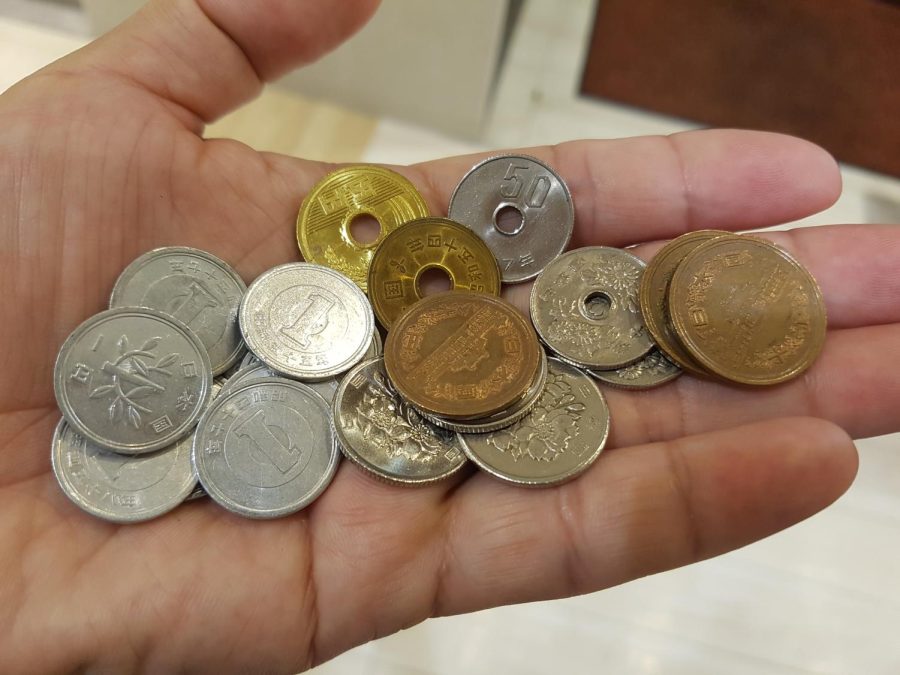
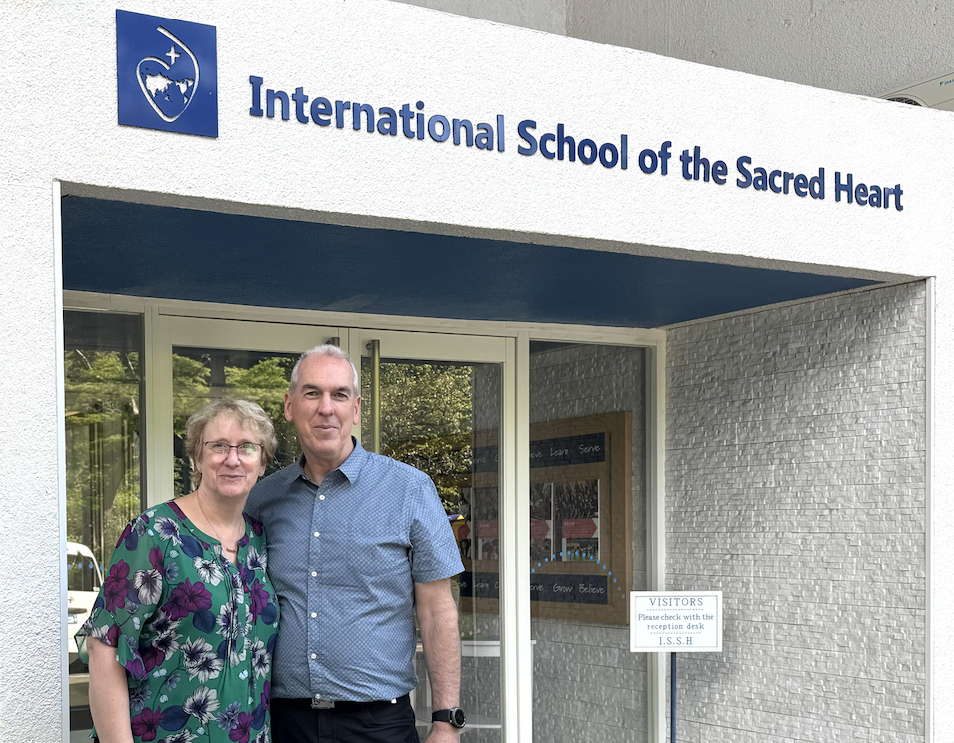
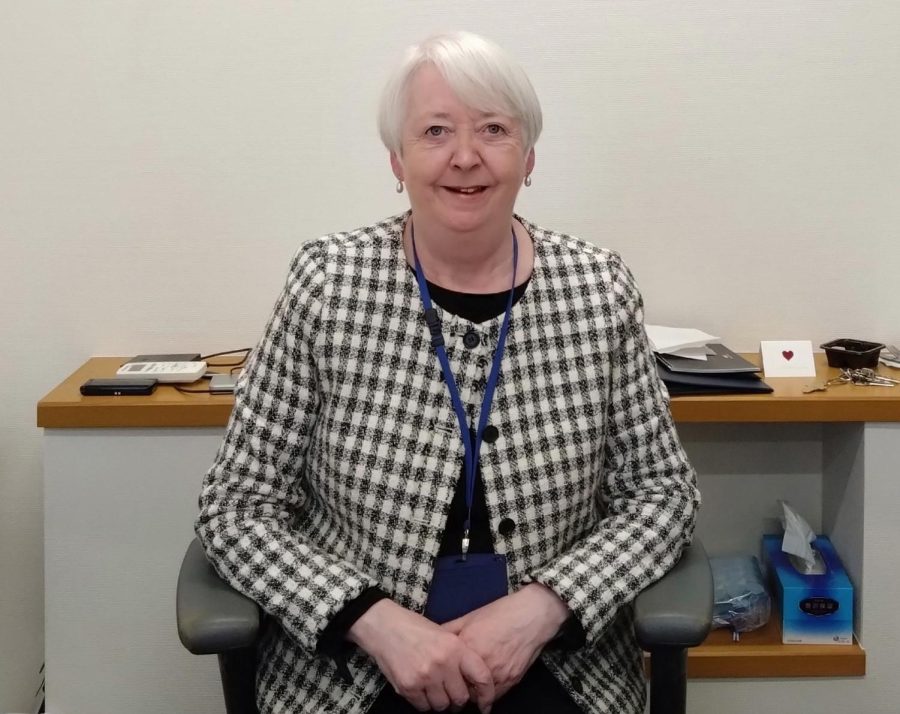
International School of the Sacred Heart college counsellor, Ms. Sin, expressed that while she predicts a decrease in overall international admissions, the United States remains a top choice for college applicants. For families living in Japan, the main deterrent to US higher education is the depreciation of the Japanese yen. In recent junior and senior conferences, students have increasingly expressed concerns about how their citizenship, depending on the nation’s relationship with the US, could potentially affect their own admissions results, as well as the likelihood of receiving a visa.
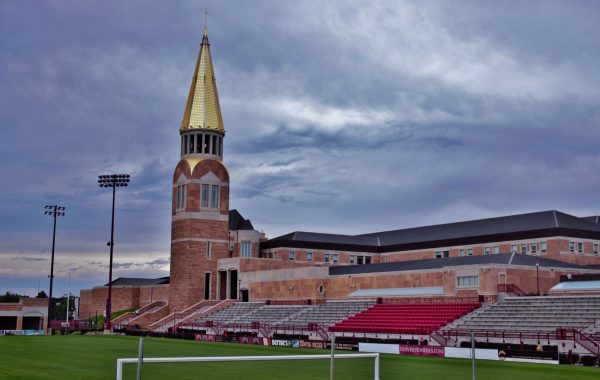
Michael Coopersmith: CC BY-SA 4.0: https://creativecommons.org/licenses/by-sa/4.0/
Ms. Sin and Ms. Miller both noted that while acceptance of international students from China, India, the Middle East, and countries in sub-Saharan Africa has seen sharp declines, students from Japan and Korea are less likely to be affected. Japan and Korea produce a relatively small percentage of US university applicants, and both countries are in favorable political standing with the current US administration, leading both Ms. Sin and Ms. Miller to believe that they will not be equally affected by the current US political situation.
Furthermore, Ms. Sin and Ms. Miller agree that American citizens who live abroad will now have an advantage in university admissions. US citizens living abroad are a safe bet due to their lack of visa issues for US universities, which still seek a diverse student body with international perspectives.
As visa restrictions and political instability in the US disrupt international students’ ability to actually begin their studies, global branches of US universities are now viewed as a “safety net.” Institutions such as NYU Abu Dhabi and Georgetown University Qatar offer the same degrees and academic standards as their US campuses, but without the risks of visa delays, denials, and other complications.
Despite alternatives, Ms. Sin stated that many students are still hopeful that the prevalence of visa issues and international student difficulties will decrease over time as institutions grow accustomed to navigating the policies instated by the new administration.