
















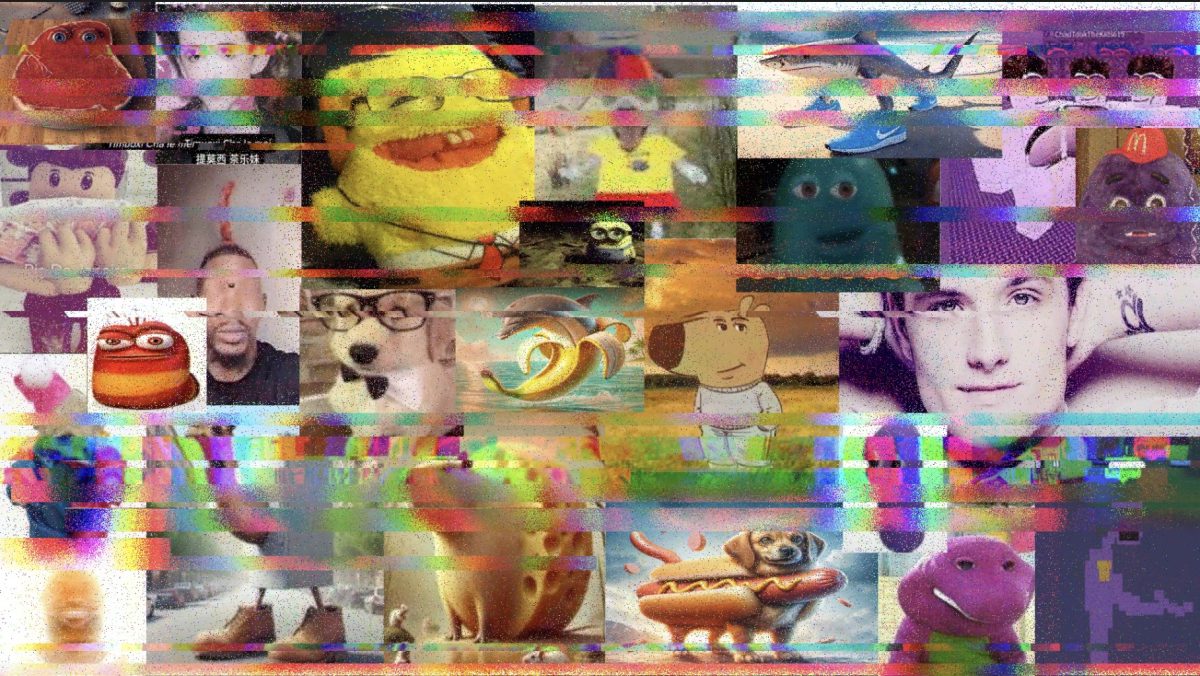
























‘Italian brainrot —a phrase every TikTok user instantly recognizes—is living up to its name and rotting our brains, as if it were some airborne disease. While TikTok trends usually burn out in weeks, Italian brainrot managed to linger for months, refusing to leave our screens like typical fads. It has encouraged the use of AI for the production of baloney and replaced old childhood experiences, producing a wave of children chanting mindless phrases like “bombardino crocodilo” and “brr brr patapim”. These phrases are simply nonsense with no true meaning behind them, and certainly not Italian.

Italian brainrot erupted in early 2025 and to this day, refuses to die. There is no single creator behind these characters because half of the “creators” poke at generative AI to spit out another absurd character. With over a hundred Italian brainrot characters flooding the internet, the universe leans toward joyful yet farcical chaos. Some famous Italian brainrot creators are @eZburger401 on TikTok, who was unfortunately credited for creating the first major Brainrot character: Tralalelo Tralala, a shark with Nike sneakers on his fins standing upright. His creation of this uncanny character boosted the production of more characters, such as the famous Tung Tung Tung Sahur by @noxaasht on TikTok. It skyrocketed in public appeal to the point that Noxa copyrighted this character he produced “his own”. Therefore, Italian brainrot has sparked a wave of bizarre and cursed AI-generated characters solely for fun. This nonsensical trend is drawing millions into AI tools—not for productivity, but for utterly ludicrous ideas like “what if my cappuccino became an assassin?” As the madness spreads, it proves that nothing fuels the use of new technology quite like collective clownery and the desire to go viral.
Italian brainrot has gotten out of hand, and by out of hand, it means out. of. hand. Children, especially in Gen Alpha, have gotten obsessed with these characters; Italian brainrot serves as an internet equivalent of candy. Things escalated so inadequately that people started hosting Italian brainrot shows with lasers and character name remixes blasting on speakers at ungodly volumes.
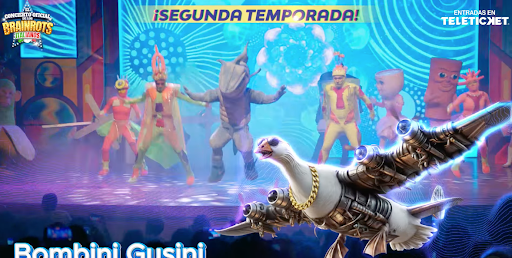
While children sit on their parents’ shoulders, they chant along with dancers wearing a cheap, straight-out-of-Amazon costume of a human-orange hybrid. Italian brainrot is hijacking childhood; instead of running around the field and discovering the wonders of the world, children are focused on memorizing the lore of an AI-generated character that defies proportions and fundamental physics. Peppa Pig and Dora the Explorer seem to have been replaced by a bundle of asinine digital characters that weren’t even created by the human brain.
This shift doesn’t necessarily damage their intelligence, but surely does questionably reshape their childhood and attention span. Teachers and studies already note shorter attention spans and a growing reliance on constant stimulation, with many children struggling to stay engaged in simple, slower-paced tasks such as reading and sustained play. This is supported by tangible trends: rising screen time, declining outdoor activity, and a clear preference for short, high-intensity content over anything requiring patience. Comparing the overstimulated childhood of Gen Alpha to the older generation’s childhood helps highlight the difference. In earlier childhoods, boredom, imagination, and low-stimulation activities were the main sources of fun. The shift between generations redefines childhood from exploration and creativity to constant consumption and reaction.
Italian brainrot isn’t just a trend now; it’s a cultural breakdown powered by algorithms and collective chaos. What started as a harmless meme grew into a digital circus that children cannot escape. Whether this influence fades or deepens, its footprint on this generation is already certain.