







































Towards the end of 2024, Letterboxd went viral when celebrities named their top four favorite films. This group of entertainers included directors, actors, musicians, and others, and usually featured four obscure black-and-white films. While it was first seen as quirky and niche, it soon became the norm to name films that nobody has ever heard of. Those threatened by their own lack of knowledge called these people performative, but if these actors named a cheesy rom-com in their top four, they faced backlash for being “basic” and, therefore, unprofessional.
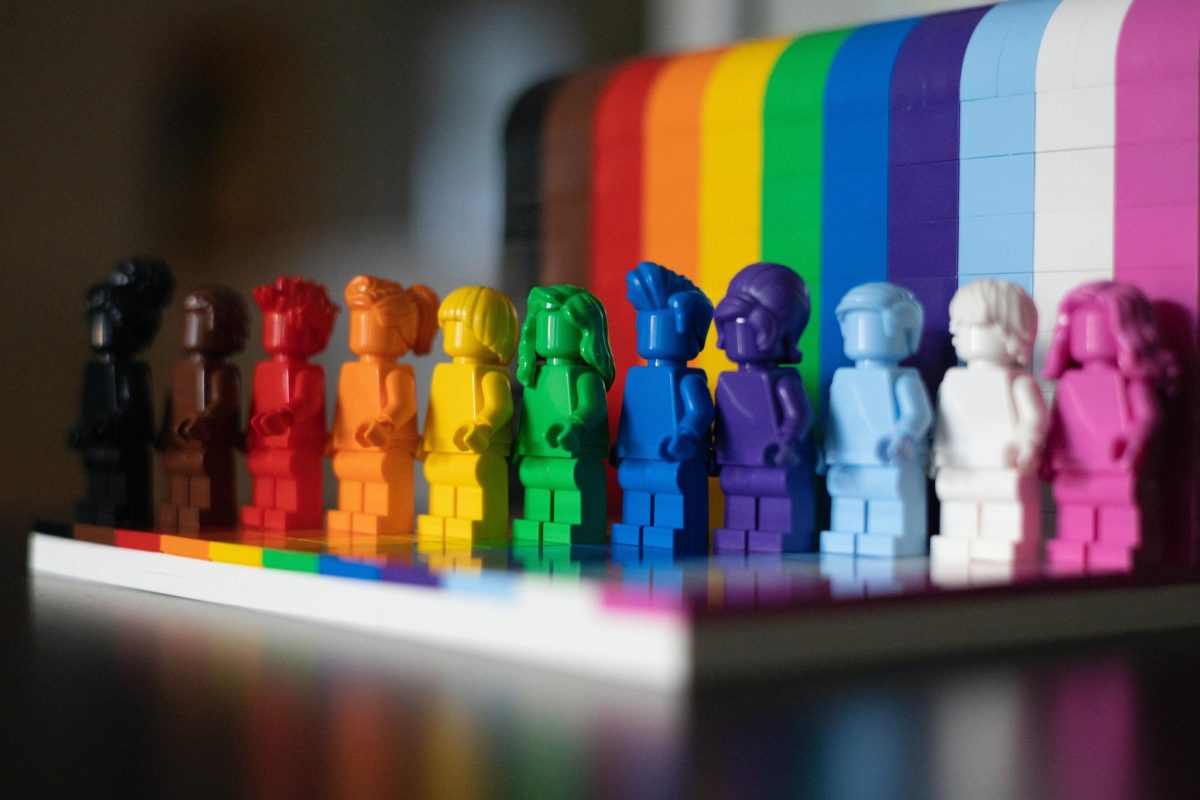
My first experience with the word “basic” was in second grade. At the start of the tomboy bonanza, when every girl in my class suddenly owned basketball shorts and no longer liked pink, I had made the mistake of drawing rainbows on my name tag on the first day of school. The girl at the seat next to me scoffed, “Rainbows, could you get more basic?”
The word “basic” has shifted in meaning since 2015, but it remains a term most commonly used to belittle people, specifically girls and young women, for liking popular things.
In 2017 fall, it was applied to teenage girls obsessed with Ugg boots and pumpkin spice lattes. During the summer of 2020, it meant scrunchies, Birkenstocks, and an obsession with saving the turtles. In 2024, it applied to those excited about Taylor Swift’s The Tortured Poet’s Department album drop.
The meaning of the term simply suggests partaking in style choices or media tastes that other people have made before you. In simpler terms, you are like other girls and, therefore, inferior.
However, if you try too hard not to fit into the “basic” aesthetic, you are now a “pick-me,” or most recently, “performative.”
All of these terms have been adopted by women all over the world and have furthered the agenda of internalized misogyny. As in, these terms have led to women hating other women and constantly competing with each other in a game that is impossible to win.
“Basic” has always been a gendered term. For every woman who gets excited for pumpkin spice lattes to reappear on the Starbucks menu every year, there’s a man itching for football season. Nonetheless, I have never heard a man referred to as “basic.”
In 2026, in efforts to not be basic, people have forced an alternative persona, one that forcibly strives to be unconventional, often labeled “performative.” For men, this involves a facade of intellectualism fueled by matcha lattes, Clairo, and feminist literature in attempts to capture female attention. For women, it is the new version of a “pick-me girl” forcing a love of sports, video games, or anything seen as deliberately not matching with the rest of women in society.
Calling out “performative” people in 2026 is seen as calling out inauthenticity. However, people seem to have forgotten that it is impossible to be recognized for authenticity. If you genuinely appreciate 90s alternative rock, you’re performative. But if you enjoy 2010s-2020s pop, you’re basic. The “performative police” are just another way of making people uncomfortable expressing themselves. Through participating in the monitoring of other people’s branding of themselves, people are implying an assumption that they possess “superior taste” and are therefore justified in their judgment, which is its own form of performative behavior.
Teenage years are a time of self-discovery and experimentation. It should be expected that teens will change their “vibe” multiple times over the course of their adolescence. While people may believe they are aiding true self discovery through calling out inauthenticity over sudden aesthetic changes, they are actually blocking the vital phase of teenage experimentation. The fear of being called out for inauthenticity is actually encouraging more inauthenticity than ever.
With everything about everyone’s personality and interests now being publicized on the internet (with the existence of publicized Spotify listening stats, Letterboxd, Goodreads, etc.) social media has gone beyond a highlight reel: it has reached a new level of fake. The previous curation of edited photos now includes people altering their musical tastes, movie picks, and overall personalities. With everybody now watching each other and knowing others are watching them, it has become increasingly difficult for people to live their lives for their own enjoyment instead of seeking others’ approval through posting.
But, we can’t blame the young people for falling victim to the performative era. It is normal for teenagers to hold other people’s opinions in high regard. Of course, they want to be liked, and of course, at a time of self-discovery, they might shapeshift into the people they think will receive the most likes and attention online and in real life.
The only way to retrain the inauthenticity epidemic is to ignore it. Ignore the “performative” or “basic” comments and choose to do what makes you happy.
To those who feel the need to comment on others’ style or personality: “calling out” somebody’s Letterboxd Pitch Perfect favorite as “basic” or their David Bowie top artist as “performative” does not make you more authentic or interesting or cultured.
So, refrain from judgment; refrain from being unkind. Don’t be a snob.