




























In 2026, little plastic figurines are quickly taking over wallets, backpacks, and homes. At the center of this craze is the Labubu: a fuzzy, fierce-looking, fan-favorite collectible monster. Once a quirky collection of vowels, the word “Labubu” has quickly become a household name created by the blind-box company Pop Mart. Alongside other popular Pop Mart figures such as Skullpanda, Molly, and Dimoo, Pop Mart has redefined what it means to collect.
Pop Mart’s core demographic is Gen Z, with social media as its primary marketing platform. For today’s middle and high schoolers, blind boxes have seemingly become as normal as having a Netflix subscription. In a survey sent to middle and high school students at the International School of the Sacred Heart, 76% of 106 respondents reported owning a blind box toy- with the majority owning a “Labubu” of some kind.
Starting in 2015, Labubu collectible toys have become Pop Mart’s biggest money-maker. Essentially, these blind boxes are collectible keychains randomly hidden behind colorfully decorated boxes, with different odds of getting each figure. The mystery aspect of the blind boxes is its primary selling point, complemented by influencer endorsements that introduce the product to potential consumers.
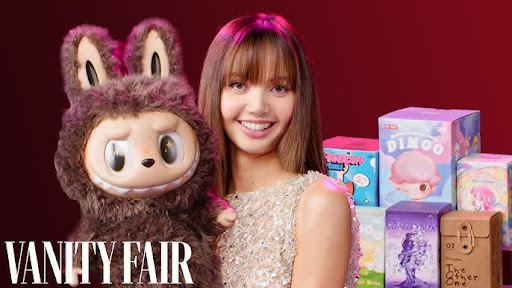
Pop Mart’s success is largely attributed to strategic influencer/celebrity marketing campaigns. Some of the most impactful have been BlackPink Lisa’s endorsement of Labubu, alongside popular Twitch streamer Vanilla Mace going viral for her unlucky blind box pulls. With an almost 400% increase in profits in 2025 alone, the number is expected to grow even bigger in 2026.
Alongside social media, Pop Mart’s blind box model encourages repeat customers. In every blind box collection, there is one rare, secret figure with odds as low as 1 in 144. Studying this model, researchers at Shanghai University found that 70% of buyers continue to purchase figures in the hopes of completing sets, attributing this factor to Pop Mart’s surge in profits. With Labubu secret figures selling for over $500 on eBay, there is a huge incentive to keep buying blind boxes.
Together with Pop Mart, Dreams Inc. is another popular blind box company known for Sonny Angels and Smiskis. Created in Japan, Sonny Angels are mischievous-looking baby figures with various assortments of themed outfits. While not as popular as the Sonny Angels, Smiskis are also gaining traction- pale, light-green, non-human figurines that are slightly uncanny.
Something deeper than the unique designs of Pop Mart and Dreams. Inc’s characters leaves people hooked. What is it about these unique figures that makes middle and high schoolers so passionate about collecting?
Sakurako P. (‘26), an avid collector of Sonny Angel figures, says their appeal lies in the dopamine surge that comes from opening a blind box. In response to predictions that the blind box craze will die out, she compares opening these to the long tradition of opening Christmas presents. “What makes Christmas exciting is that you don’t know what’s inside the box—I feel a similar feeling when opening blind boxes. It’s a tradition that’s always been there, so I believe that the trend is not going to slow down anytime soon.”
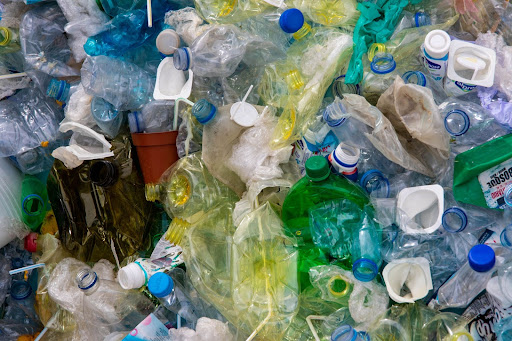
Still, the blind box craze isn’t without its controversies. Some influencers have taken to social media to warn others of the broader overconsumption trend that the Labubu, alongside other social media trends, contributes to. Mainly, the material that Labubus are composed of (PVC) can take over 450 years to decompose. At roughly 22 million Labubus sold in 2025, some worry that their environmental impact will only worsen.
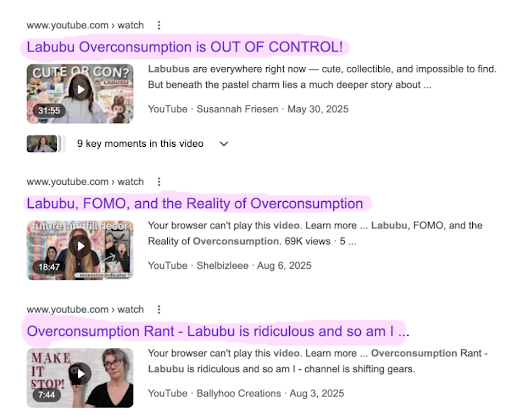
Following this, Tuhina D.(‘27) is a critic of the blind box trend, saying that the overconsumption easily “gets out of control, and takes away resources that could be used for other projects.” However, she believes that with the right changes, Labubus can become more sustainable. As a start, to reduce plastic consumption, she proposes that the company switch to recycled paper packaging and/or offer an incentive for consumers to recycle their old Labubus to be turned into new ones.
Whether the blind box trend is here to stay or not, it reflects the enduring appeal of our childhood love of collecting. However, as the craze continues, companies need to reconsider the environmental impact of the continued mass production of their figures. After all, the thrill of collecting should not come at the expense of the planet.