


“Get ready with me for divorce court” are the opening lines of a TikTok surpassing 500,000 likes in nine hours, posted by the TikTok star, Mikayla Nogueira, who has 17.5 million followers on TikTok alone.
It has become strangely normal to know someone’s deepest insecurities and personal struggles before even knowing who they really are. Social media has created a world where emotional exposure is immediate, public, and constant, and as teenagers growing up online, this no longer even shocks us. We scroll past crying videos between makeup tutorials and Italian brainrots. Emotions that once would have stayed private for weeks are now uploaded within minutes. Vulnerability has been integrated into everyday content consumption.
Traditionally, digital mental health advocacy served to amplify awareness, reduce stigma, and foster supportive communities. Influencers bravely used their wide fan bases to share personal experiences – offering advice and solidarity to those silently suffering. In a culture where glamorous lives were the blueprint, openly discussing mental health allowed many to feel seen rather than alone. However, somewhere in the infinite scroll, #MeToo movements and early mental health destigmatization dissolved into casual trends online, such as “GRWM as I list things I’m insecure about” or emotional trauma dumps framed as “storytimes”. What was once an empowering act of courage has been reduced to content designed for views and likes.
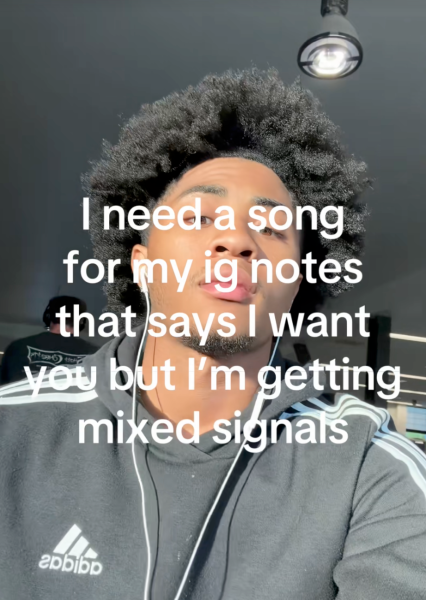
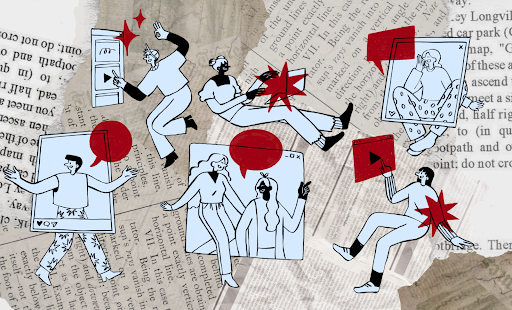
Now, this space for honesty has transformed into a stage for anyone to perform. Features on TikTok and Instagram further encourage online oversharing. TikTok reposts, a feature that allows users to share another creator’s video with their followers, are a prime example of how casually personal emotions are broadcast online.
With a single scroll, you can be exposed to the deepest secret of the girl you pass by in the hallways, with whom you’ve had two conversations. Additionally, a more passive way of hinting at messages is through Instagram Notes, where teenagers often add directed and specific song lyrics to hint at their emotions without explicitly stating them. We are the most publicly vulnerable generation today, yet mental health concerns have only soared.
But when we are exposed to everyone’s feelings all the time, what happens to the feelings themselves?
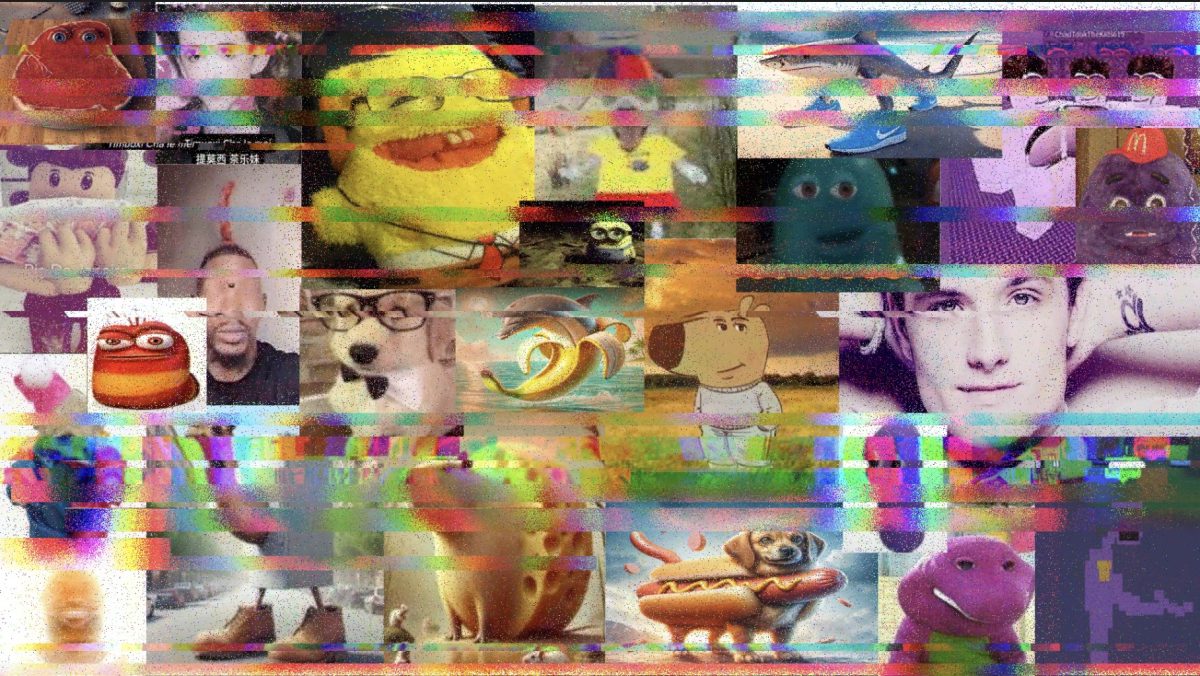
The internet has made us emotionally aware, but maybe also left us emotionally numb. Gen Z copes with everything through humor. Breakdowns become memes. Trauma becomes “lore”. Serious emotions are so often filtered through irony that it is increasingly difficult to distinguish when people are genuinely hurting, performing sadness online, or being satirical. We joke about needing therapy, repost videos about not being okay, and then move on to the next video within seconds.
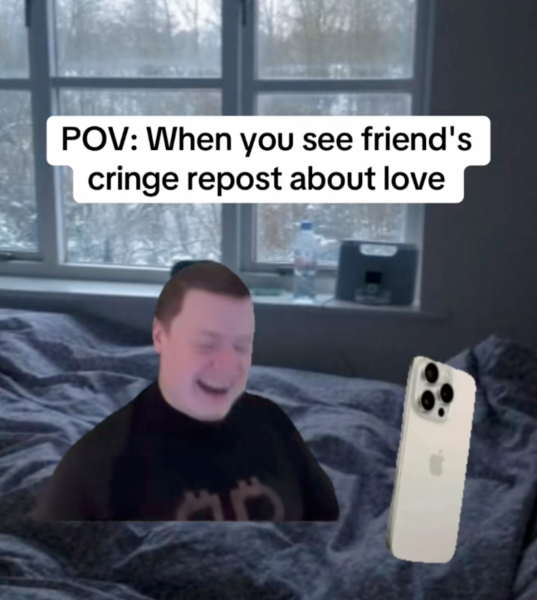
Credit: User @saul22114 on Tiktok
There was a time when vulnerability was earned. Slowly, over time, it was not simply showcased for everyone to observe. You met someone, learned the kind of jokes they laughed at, noticed that when they got nervous, they would tuck their hair behind their ears, and over time, they trusted you enough to reveal the parts of themselves they kept hidden. But now, that process is reversing.
Somewhere along the way, vulnerability stopped unfolding naturally. Instead of building closeness slowly, we are handed pieces of strangers all at once. Yet despite knowing so much about each other online, a genuine connection still feels strangely rare. Somehow, knowing intimate details about someone without actually knowing them has become the norm.
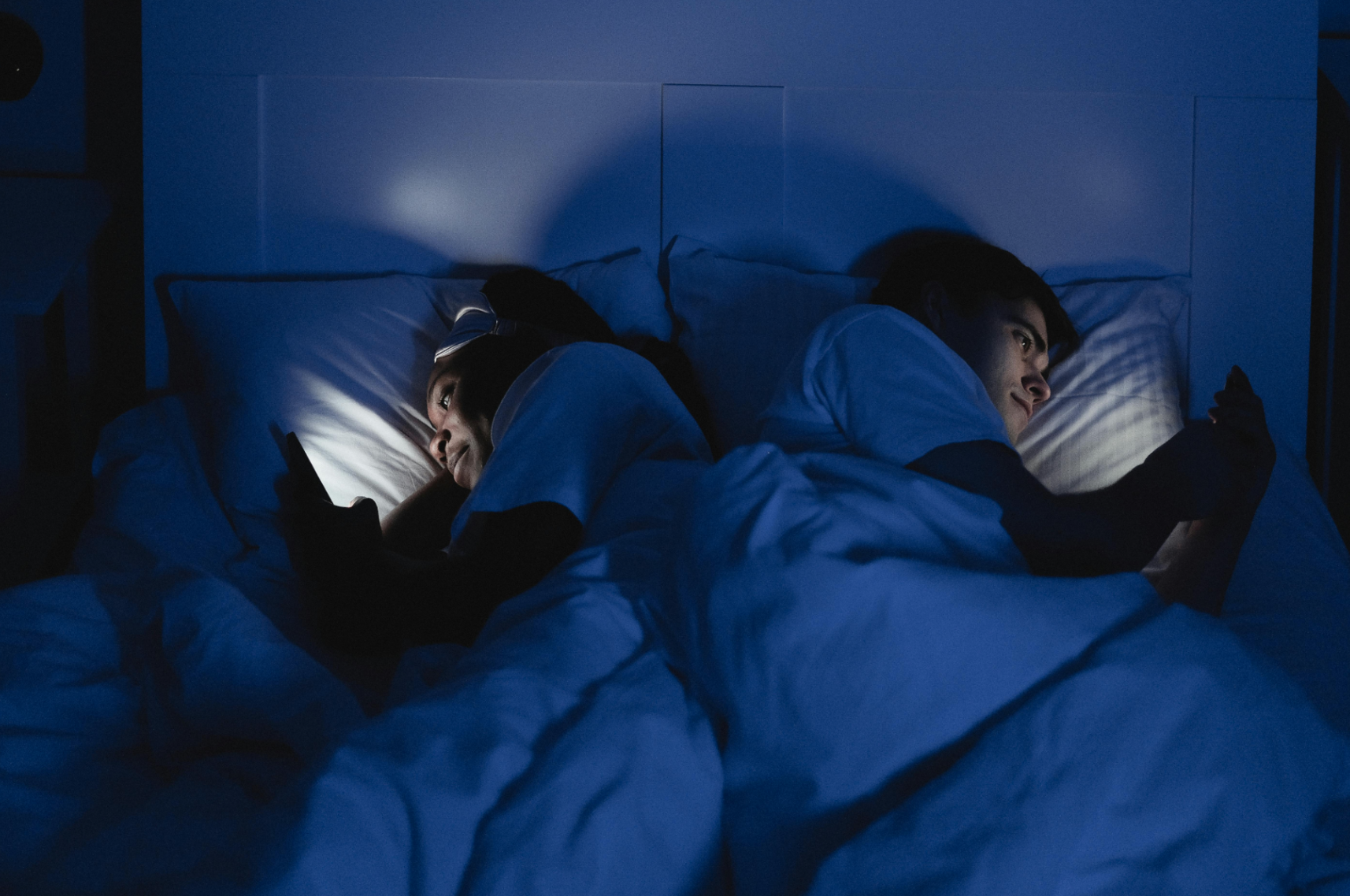
Maybe that is the strangest paradox of growing up online. We never had access to each other’s emotions right in our pockets, yet many interactions increasingly feel distant, curated, and incomplete. Somewhere between reposted heartbreaks and Instagram Notes, intimacy itself began to change. Between visibility and connection, we may have mistaken emotional access for genuine closeness. We have learned how to broadcast ourselves to everyone, yet many of us are still searching for someone who would reach out, past the screen.