

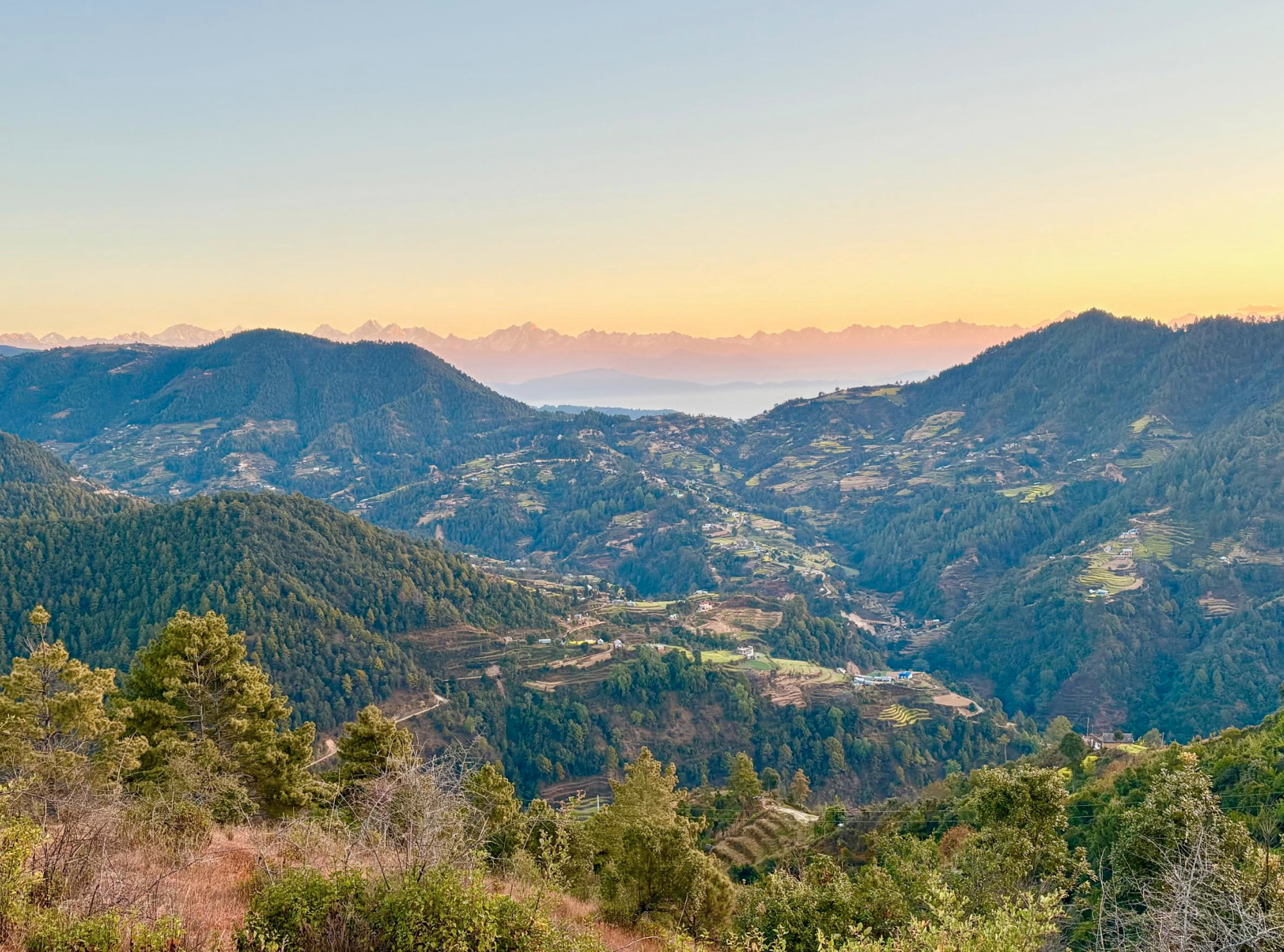
When KP Kafle first founded the nonprofit organization Nepal SEEDs in 1998, Nepal’s living conditions were arduous. The country faced widespread poverty, poor health, and insufficient education, internationally labeled as a Least Developed Country. According to World Bank data, by the 2000s, only a quarter of Nepali households had access to safe drinking water, and nearly 50% of Nepali citizens remained illiterate.
Born in Nepal’s lower Everest region, KP spent his early life experiencing these conditions firsthand. He attended school “under a tree,” where formal education had barely existed. “No bench, no table, no chair—almost nothing,” he recalled.
After five decades, the country is scheduled to graduate from LDC status in November 2026. Yet to this day, many communities lack quality education, reliable healthcare, and safe infrastructure.
Even in Kathmandu, the country’s capital city, where development is the most concentrated, challenges persist. Concrete roads expand, and new buildings rise across neighborhood blocks while daily life remains formidable for many residents. Public services are often strained, with overcrowded schools and healthcare facilities, persistently thick air pollution and poor water supply.
In rural areas, which remain the vast majority of Nepal, these issues are often more severe. Schools frequently lack trained teachers and facilities, healthcare services and access to clean water remain limited or distant. Environmental pressures, including deforestation and inefficient energy use, continue to affect daily life.
Founding Nepal SEEDs
Addressing these persistent challenges, Nepal SEEDs has continued to expand its work across rural Nepal. The organization focuses on four core areas—education, health, water, and environment—to support sustainable development in underserved communities.
The origins of Nepal SEEDs trace back to 1985, when KP was abroad and began to feel a growing need to return to Nepal. During a meditation session, he described how he had felt a “pull” toward home. “Nepal is my motherland, and Nepal was calling me,” KP said. “It was sending me a message in my heart, telling me to return to my own country. And when I came back, something opened in me.”
Returning to his home country, KP began working as a trekking guide, leading hikers through the Himalayas. Throughout his guiding career, KP had begun to develop a clearer understanding of the source of the ‘pull’ he had sensed. “[As] I started guiding people, I got more energy. And now, I know who called me and why. It was because of Nepal SEEDs.” What crept in as a faint feeling gradually took shape into action. After more than a decade as a full-time guide, KP founded Nepal SEEDs in 1998.
Education at its center
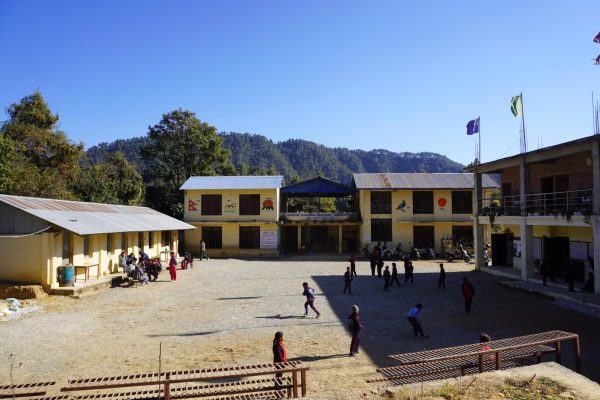
From the very beginning, Nepal SEEDs organized its work around four core areas that continue to guide its projects today. While each is essential, one priority stands at the center. “Number one is education,” KP said. In other words, Nepal SEEDs puts education at the basis of their projects. KP believes that children who are schooled are more likely to expand their opportunities, contributing to long-term progress within their communities. This emphasis is reflected in broader development research. The United Nations (UN) identifies education as central to achieving the 17 Sustainable Development Goals, citing its direct role in driving economic growth and reducing inequality.
In Nepal, persistent malnutrition remains a significant obstacle to effective quality learning.Students often walk more than an hour to school, some leaving home at dawn with little more than tea in their stomachs. By mid-afternoon, hunger gnaws and concentration fades. On a national scale, approximately 20.3% of the total population suffers from malnutrition, while amongst children, 25% of them are stunted.
To address this fundamental barrier to learning, Nepal SEEDs implemented a lunch program, supported by Sacred Heart’s annual fundraising efforts. Today, the daily meals served at Kafleni’s school have had a profound impact. Not only do they help students remain focused throughout the school day, but they also provide a strong incentive for attendance, encouraging children to attend school and continue their education.
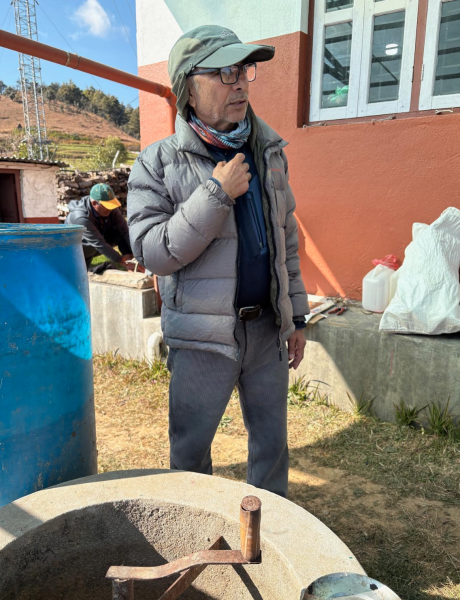
With education at its core, Nepal SEEDs also actively integrates projects dedicated to improve health, environment, and water to create a synergistic approach to development. A child’s ability to attend and succeed in school is deeply influenced by factors such as health, sanitation, access to clean water, and environmental conditions. For this reason, Nepal SEEDs adopts a holistic approach to development, ensuring that all four core areas work in synergy to reinforce one another.
This interconnection between the focus areas is visible throughout the Nepal SEEDS supported villages. Biogas units installed in households provide clean, reliable energy while improving indoor air quality and environmental sustainability. This reduces the time children spend collecting firewood, granting them more time to study. Clean water and health systems in schools enhance sanitation and overall hygiene, contributing to better student attendance and concentration. Over the past two decades, these layered initiatives have enhanced villagers’ quality of life, reinforcing the educational opportunities at the center of the organization’s work.
A different model of aid
To integrate projects into real life and ensure promised sustainability, Nepal SEEDs emphasizes community partnership as a cornerstone of its development philosophy. “If they don’t partner, we don’t accept [new projects],” KP said, sitting on the hillside of Kafleni’s camp. “We don’t do a hundred percent of anything. [It’s nothing like] okay, we’ll buy and give it to you, and you use it. It’s not like that.”
The project always begins with the villagers. Residents submit applications to Nepal SEEDs outlining both their needs and what they are prepared to contribute. “Requests have to come from their side,” KP explained. “We don’t really go and say, ‘What do you want?’” District coordinators then review each proposal, verifying the community’s need and their capacity to build and run the project before approval and funding.
At first glance, expecting contributions from communities in need may seem demanding. However, this model of community partnership fosters a strong sense of ownership and responsibility, making projects far more sustainable in the long term. When villagers invest their own labor, they become active stakeholders rather than passive recipients of aid. This involvement encourages careful maintenance, strengthens local skills, and ensures that projects continue to operate long after external support ends.
Development research supports the organization’s insistence on this collaborative approach. A study conducted in rural Zambia, for example, found that projects designed with strong community participation achieved significantly higher sustainability rates even after donor funding ended. In contrast, donor-only initiatives often collapsed once external support was withdrawn. Researchers concluded that the decisive factor in an aid project’s longevity was local ownership.
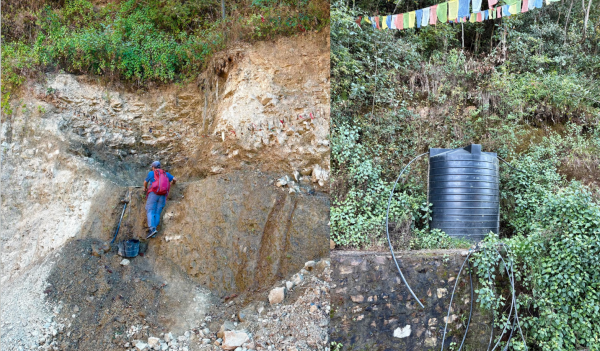
KP agrees, explaining that when locals help build a project themselves, “they love that project… [It’s] like you’re taking care of your baby, like when your parents take care of you really carefully.” In Makwanpur, this principle is clearly visible. The water and biogas systems do not belong to a distant charity; they belong to the families who helped construct them. Years later, the water system still runs, schools remain operational, and biogas systems continue to produce fuel. When a system breaks, residents know how to repair it because they are now the owners and managers.
Another key to sustainability, transparency
After operating for more than two decades, another key factor that has promised the longevity of Nepal SEEDs is its commitment to transparency and accountability. The organization’s sustained impact over more than two decades reflects a governance model built on trust and responsible financial management. According to the independent evaluator Charity Navigator, Nepal SEEDs has earned its highest distinction—a four-star rating—with a credibility score of 97 percent. This recognition highlights the organization’s strong governance and its consistent ability to translate donor contributions into measurable and durable impact.
At The International School of Sacred Heart, students support Nepal SEEDs through annual student-led fundraising efforts dedicated exclusively to the lunch program in Nepal. Organized by individual grade levels and council bodies, these initiatives embody the spirit of schools helping schools, providing a reliable source of funding that ensures children in villages such as Kafleni receive daily nutritious meals. In addition to Sacred Heart’s annual support, Nepal SEEDs also hosts an annual San Francisco gala, raising funds to support their broader initiatives across its four core areas. Together, these complementary sources of support enable the organization to maintain both targeted and holistic development efforts.
For more than two decades, Nepal SEEDs has expanded to serve Nepal’s rural communities, introducing student lunch programs and water systems with the help of villagers, granting them ownership and accomplishment. The sustainability of Nepal SEEDs does not depend on a single benefactor, nor do they deem themselves as a savior. Rather, they dedicate their consistent achievements to the collective efforts of local villagers, organizational leadership, and supporters who contribute within a transparent and accountable framework. Through its integrated focus on education, health, water, and the environment, Nepal SEEDs continues to cultivate sustainable, community-driven change across rural Nepal.


